All-on-4: full-arch implantation — what it is, how it works and who it's for
"In one day" — that's the phrase that tends to raise the most scepticism. How can you get a full set of teeth in a single visit? Is this just another marketing claim?
In fact, All-on-4 is a well-established and thoroughly documented protocol, developed in the 1990s and since validated by thousands of clinical cases worldwide. But "in one day" isn't entirely accurate. Let's look at what actually happens.
What All-on-4 Is
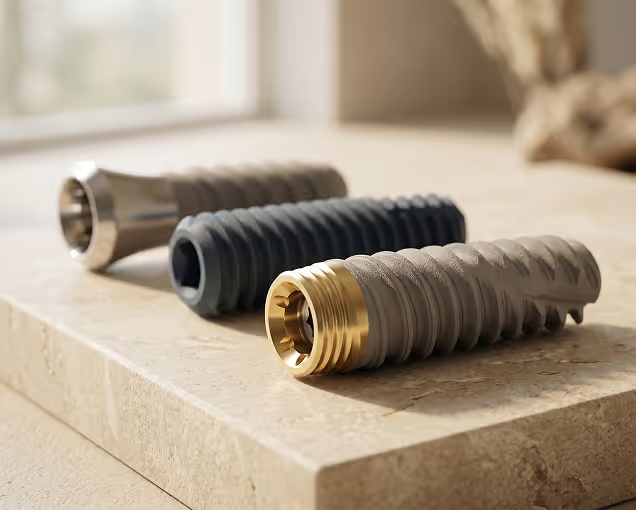
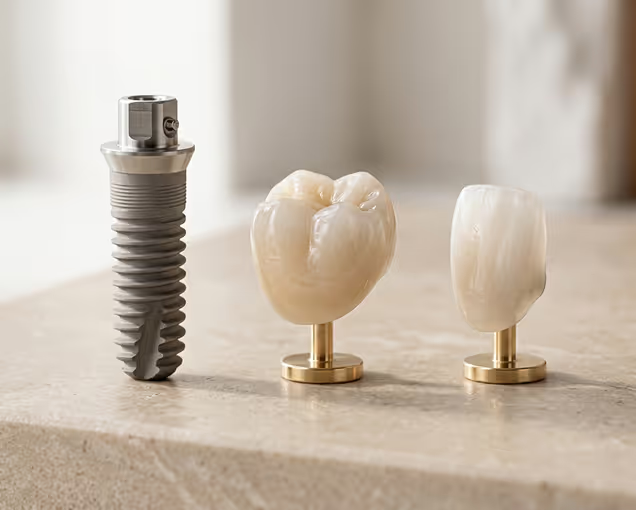
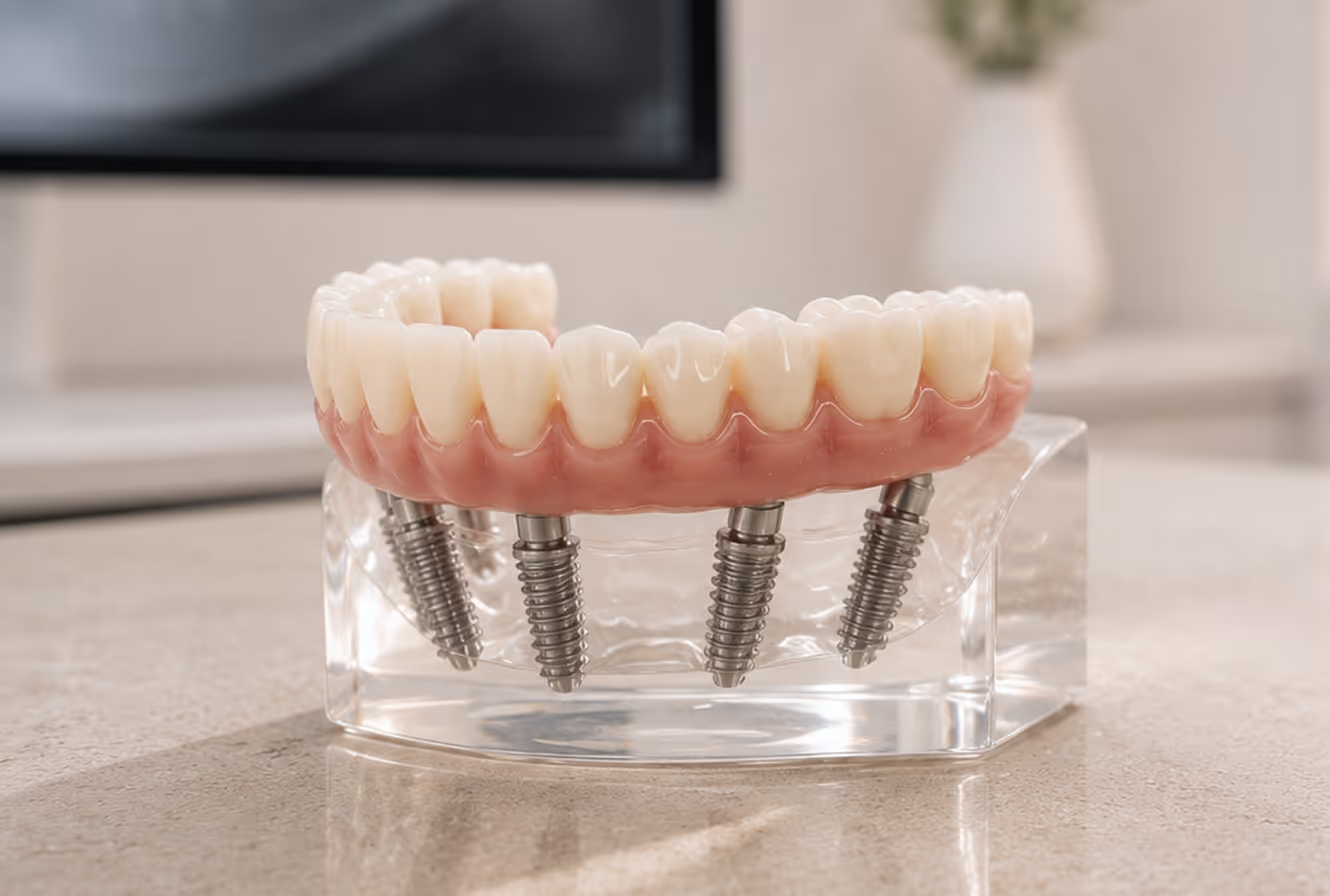
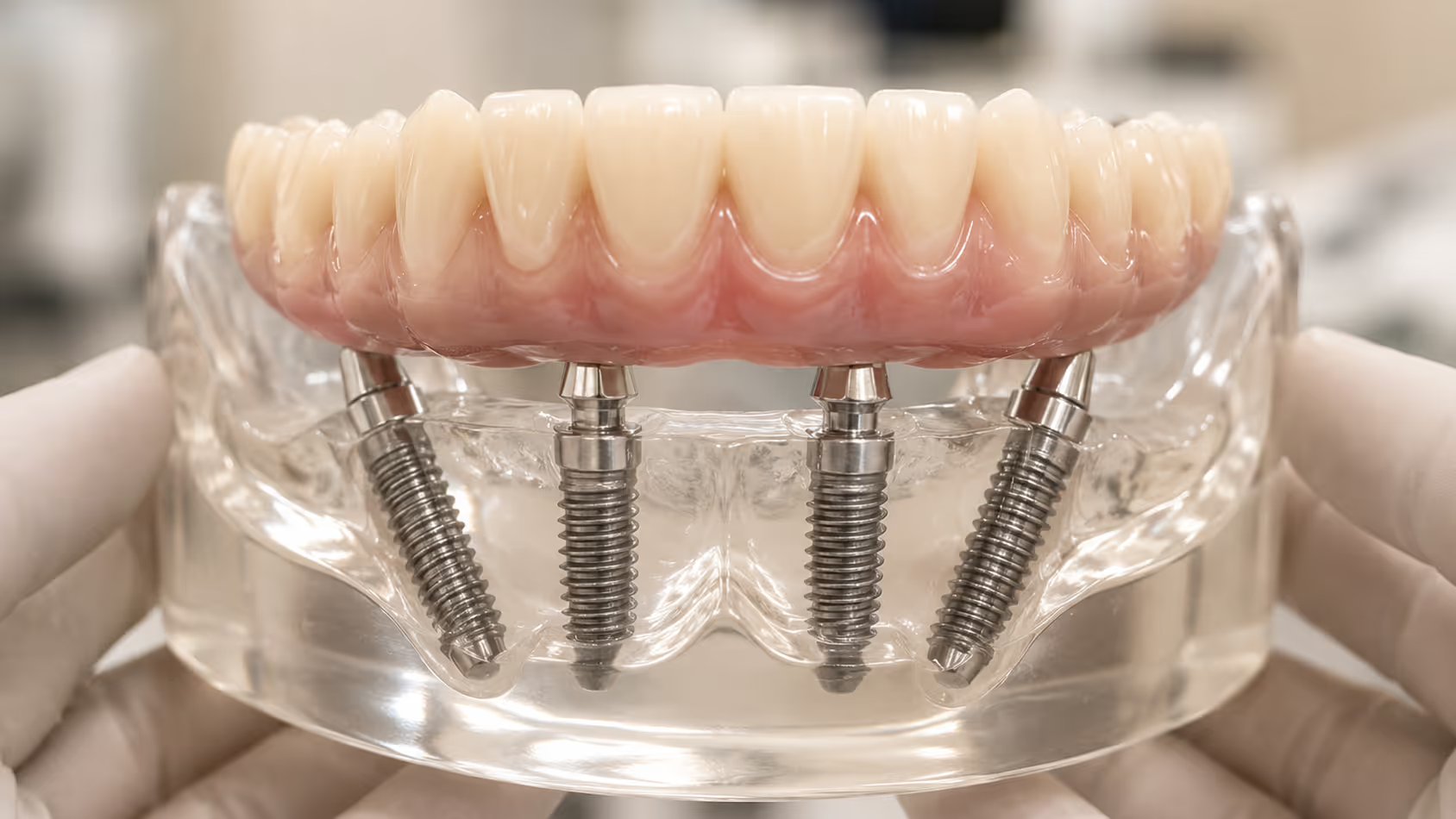
All-on-4 is a full jaw implantation protocol in which 4 implants support a fixed prosthesis with a complete set of teeth (10–12 teeth).
The two front implants are placed vertically; the two rear implants are angled at 30–45 degrees. The tilt allows the surgeon to avoid areas with insufficient bone volume and, in most cases, eliminate the need for a sinus lift.
The "one day" protocol means that on the day of surgery, the patient leaves the clinic with a temporary fixed prosthesis on the implants — not with an empty mouth or a removable appliance. The permanent prosthesis is fitted 4–6 months later, after osseointegration.
Who All-on-4 Is For
All-on-4 is the right solution for patients with:
- Complete or near-complete tooth loss in one jaw
- Significant bone atrophy that makes conventional single-tooth implantation impractical
- Dissatisfaction with a removable denture (instability, discomfort, dietary restrictions)
- A desire for a fixed result without lengthy multi-stage treatment
The protocol is not suitable for: uncompensated diabetes, active oncological therapy, severe systemic conditions, or insufficient bone density even for angled implants (a rare case).
How All-on-4 Differs from Conventional Implantation
{{table1}}
How All-on-4 Treatment Works
Stage 1 — Diagnostics and Planning
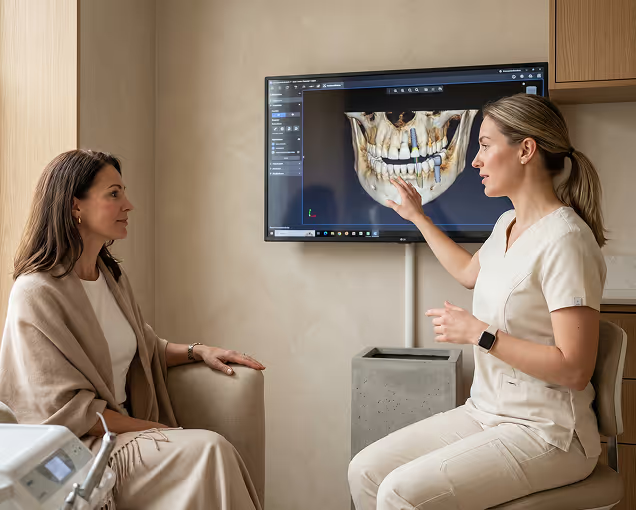
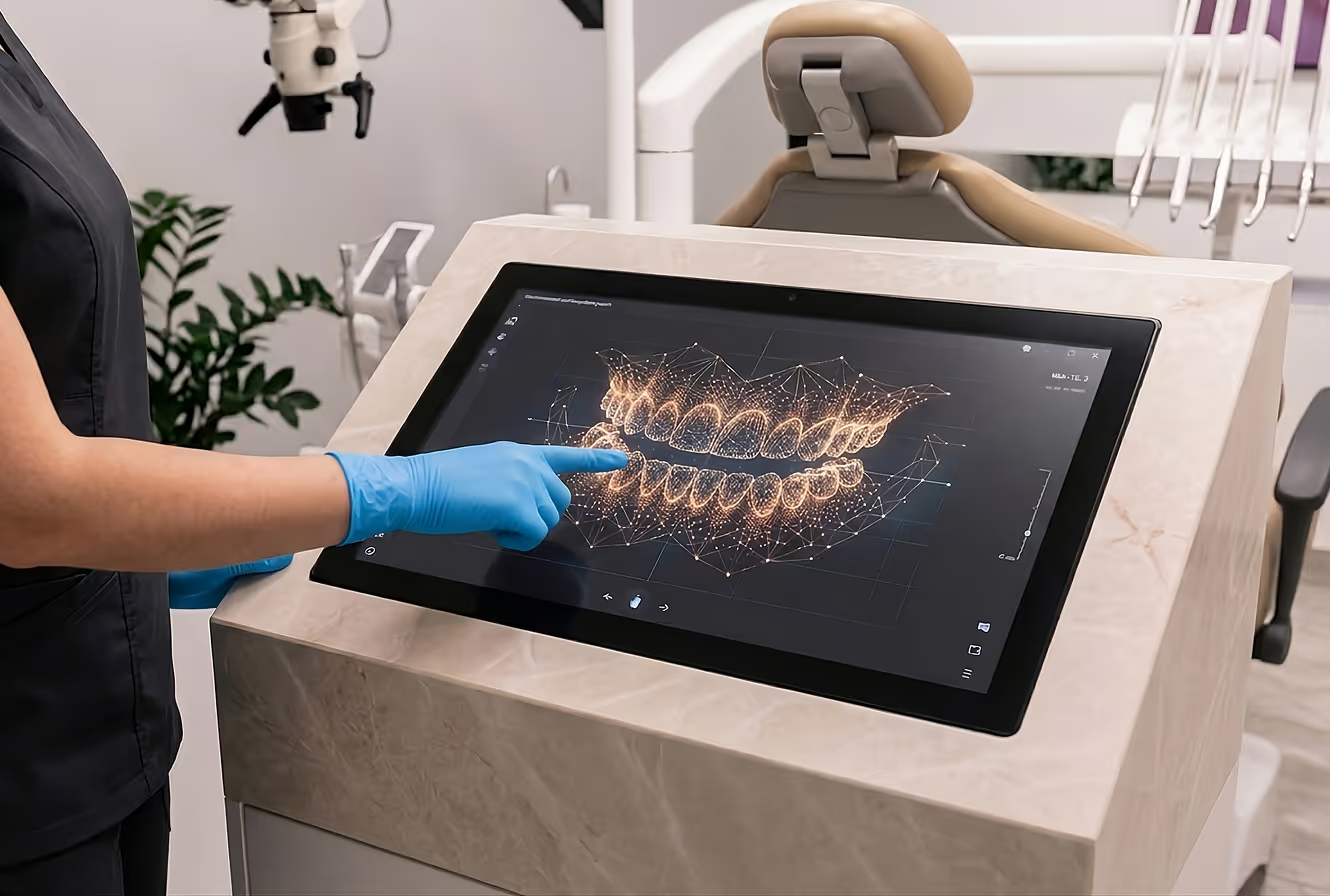
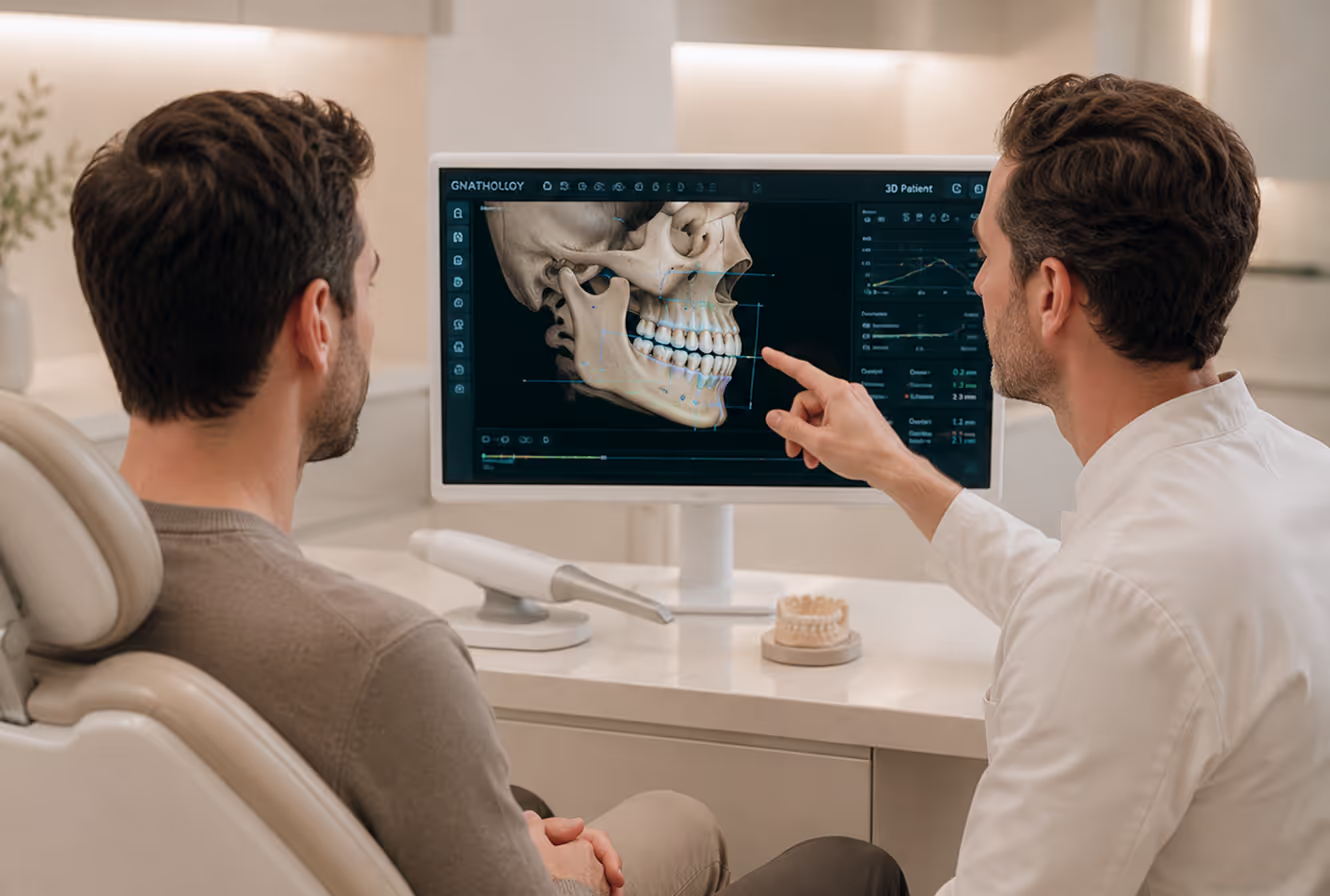
A CT scan of the jaw is the mandatory first step. Using the three-dimensional image, the surgeon plans the precise position and angle of each implant. At Allure Dental, a surgical guide is produced for complex cases — a printed drill guide that ensures placement matches the plan exactly.
Diagnostics costs:
- CT scan of both jaws — 1,100 UAH
- Surgical guide (4+ implants) — 13,000 UAH
Stage 2 — Surgery (Day X)
The procedure is performed under local anaesthesia or sedation. IV sedation is available on request.
- Extraction of any remaining teeth (if present)
- Placement of 4 implants
- Fixation of the temporary fixed prosthesis
The procedure takes 2–4 hours per jaw. The patient leaves the clinic with teeth the same day — or after a few visits over 10–12 days if the bite needs more precise alignment and adjustment.
Sedation cost:
- Sedation 1 hour — 3,000 UAH
Stage 3 — Osseointegration (4–6 months)
The implants fuse with the bone. During this time, the patient wears the temporary prosthesis — it is functional and looks natural, but made from a less durable material.
Restrictions during this period: soft diet, thorough oral hygiene, no smoking.
Stage 4 — Permanent Prosthesis
Once successful integration of all 4 implants is confirmed, the permanent structure is fabricated and fitted.
Prosthesis costs at Allure Dental:
- Temporary implant-supported prosthesis — 27,000 UAH
- Permanent prosthesis (composite/acrylic) — 50,000 UAH
- Permanent prosthesis (ceramic/zirconia) — 75,000 UAH
- Zirconia prosthesis on Straumann — 85,000 UAH
All-on-4 vs Removable Denture: Why Patients Choose Implants
A removable denture is more affordable, but comes with significant limitations worth knowing about:
Removable denture:
- Unstable when chewing — can shift
- Restricts diet: hard foods, nuts, meat on the bone
- Does not stop bone atrophy — the jaw continues to shrink
- Requires refitting every 5–7 years as the jaw changes shape
- Psychological discomfort — removed at night
All-on-4:
- Fixed, never removed
- Restores chewing load close to natural levels
- Stops bone atrophy in the implant zones
- Does not affect speech
- Patients consistently report a return of self-confidence
Caring for an Implant-Supported Prosthesis
A fixed prosthesis doesn't require soaking solutions or a glass on the nightstand. But hygiene matters even more than with natural teeth:
- Water flosser (irrigator) — an essential daily tool for cleaning under the prosthesis
- Interdental brushes and a single-tuft brush — for the areas around the implants
- Professional cleaning every 6 months — a specialist cleans zones unreachable with home care
- Annual X-ray check — monitoring bone condition around the implants
| widths: 28% 32% 40% |
| | Conventional implantation | All-on-4 |
| Number of implants | One per tooth | 4 per jaw |
| Bone grafting | Often required | Usually not required |
| Treatment timeline | 6–18 months | 1–13 days to temporary prosthesis |
| Temporary prosthesis | Removable | Fixed, non-removable |
| Suitable for | One or several teeth | Complete tooth loss |
Frequently asked questions
Is All-on-4 really done in one day?
Surgery day is the day the implants are placed and the temporary prosthesis is fitted. The patient does leave the clinic with teeth. However, the final structure is fitted 4–6 months later, after the implants integrate. So "one day" is accurate for the temporary result — not for the completion of treatment.
Is All-on-4 surgery painful?
For the first 3–5 days there is swelling and moderate discomfort, managed with prescribed pain relief. Most patients describe the first week as manageable. Once the recovery period is over, there is no pain.
How long does an All-on-4 prosthesis last?
The implants, with proper care, last a lifetime. An acrylic/composite prosthesis needs replacement after 10–15 years. A zirconia prosthesis is more durable, with a projected lifespan of 20+ years.
Can All-on-4 be done with complete tooth loss?
Yes — that is precisely what the protocol was designed for. Even with significant bone atrophy, the angled placement of the rear implants allows bone grafting to be avoided in most cases.
All-on-4 or All-on-6 — what's the difference?
All-on-6 uses 6 implants instead of 4, providing a larger support base and better load distribution. It is recommended when bone density is lower or when the prosthesis is heavier (zirconia). The cost is higher due to the additional implants. The surgeon determines the optimal number based on the CT scan.
Conclusion
All-on-4 is not a marketing trick — it's a proven protocol for patients who need complete jaw reconstruction. It reduces the number of implants required, eliminates the need for bone grafting in most cases, and delivers a fixed result on the day of surgery.
If you wear a removable denture and want to find out whether All-on-4 is right for you — start with a CT scan and a surgeon consultation. You'll get a specific answer, not a vague one.