Anti-age dentistry: how your smile affects the age of your face

When most people think about rejuvenation, they picture Botox, fillers, or plastic surgery. But there is a factor that affects the face just as significantly — and one that rarely gets discussed openly: the condition of the teeth and bite.
A dentist is not a competitor to an aesthetic practitioner. But there are situations where no injection will help until the issue in the oral cavity is resolved. And conversely — the right aesthetic dentistry delivers an effect that no external procedure can replicate.
Why Teeth Age the Face
Loss of Bite Height
This is the primary mechanism of "dental ageing." Over time, everyone's teeth wear down — particularly with bruxism (teeth grinding), high acidity, or simply the passage of years. When teeth shorten by even a few millimetres, the distance between the upper and lower jaws decreases.
The effects on the face:
- The lower third of the face "sinks" and looks shorter
- The lips become thinner — they lose their structural support
- Nasolabial folds and wrinkles around the mouth deepen
- The chin moves closer to the nose, and the profile changes
Restoring the correct bite height through proper prosthetics literally "opens up" the lower third of the face — without a single syringe.
Tooth Loss and Bone Atrophy
When a tooth is lost and not replaced, bone tissue in that area begins to atrophy — within as little as 6–12 months. The more teeth that are absent and the longer they remain unreplaced, the more visible the profile distortion becomes.
In patients with complete or significant tooth loss and no quality prosthetics, sunken cheeks and lips are one of the most recognisable signs of an "aged" facial appearance.
Tooth Discolouration and Shape
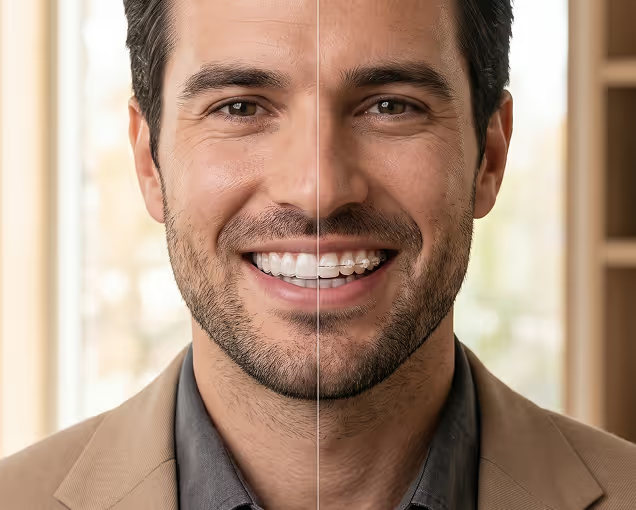
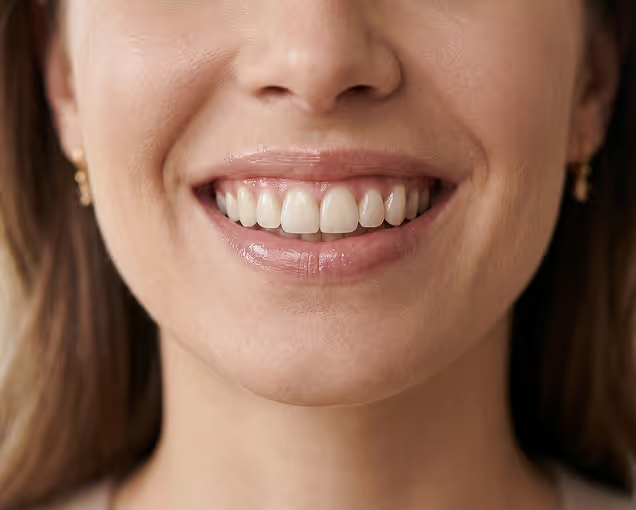
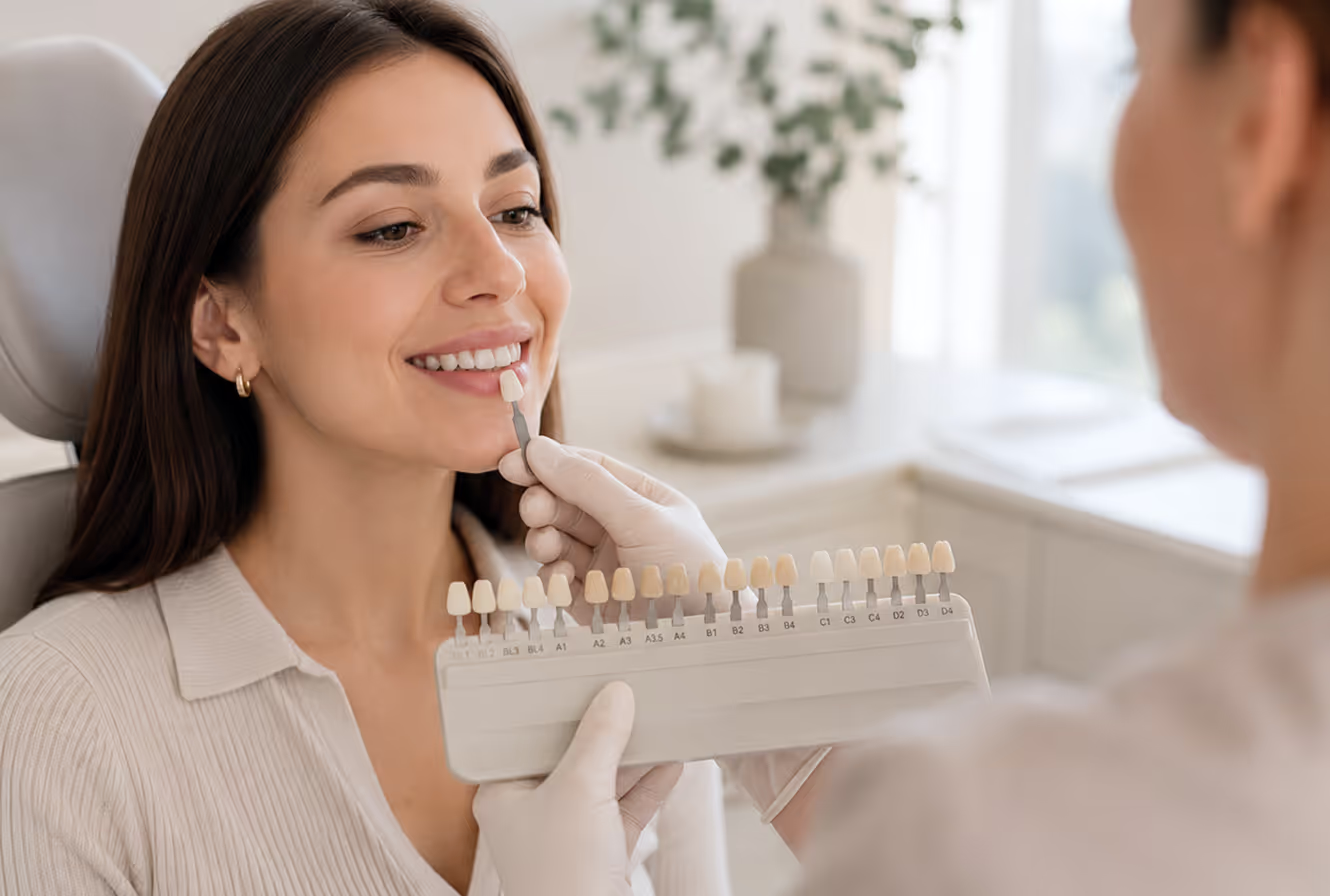
Yellow, dark, or uneven teeth are a powerful visual signal that is subconsciously read as "age." A bright, symmetrical, even smile, by contrast, is universally associated with health and youth across all cultures.
What Dental Lifting Is
Dental lifting is a set of procedures aimed at restoring the correct bite height and smile aesthetics, with a rejuvenating effect on the face.
It is not a standalone line item in a price list — it is a comprehensive approach to treatment planning that considers not just the teeth, but their impact on the soft tissues of the face.
It may include:
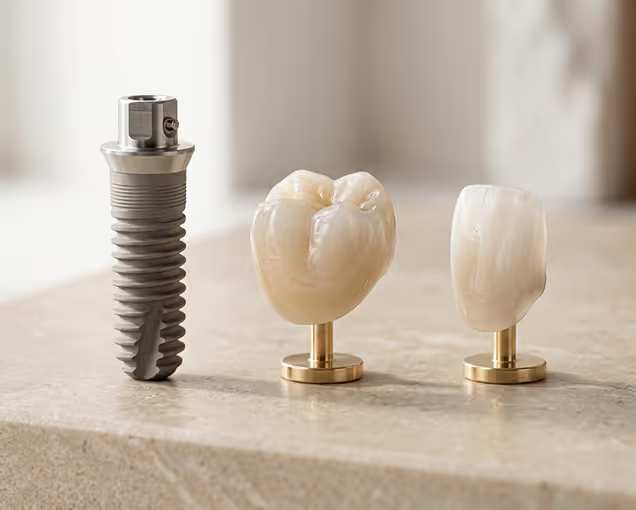
- Restoration of worn teeth (with veneers, crowns, or direct composite restoration)
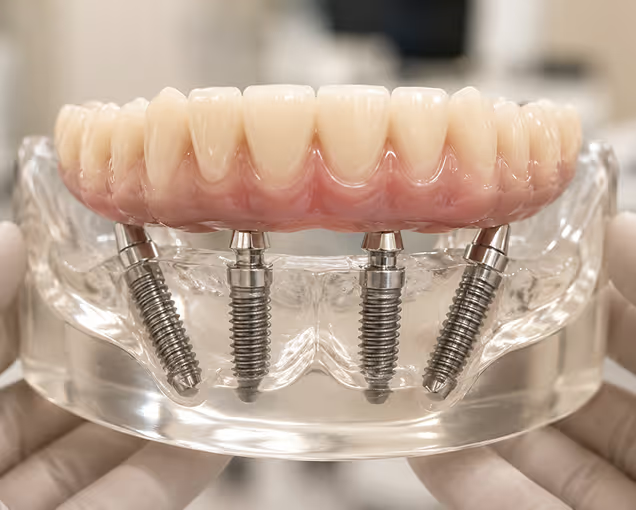
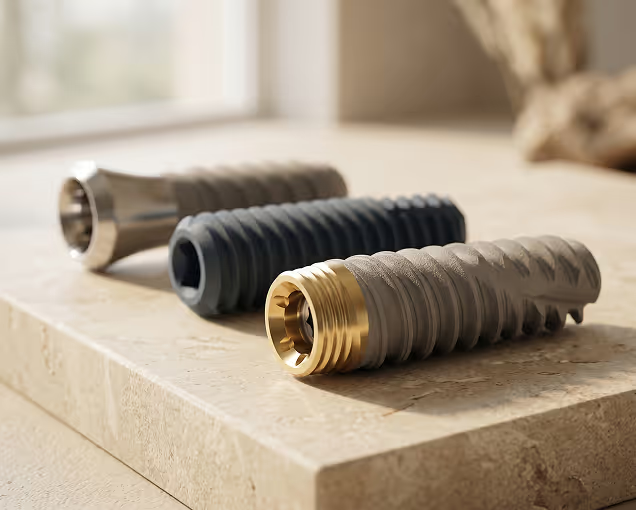
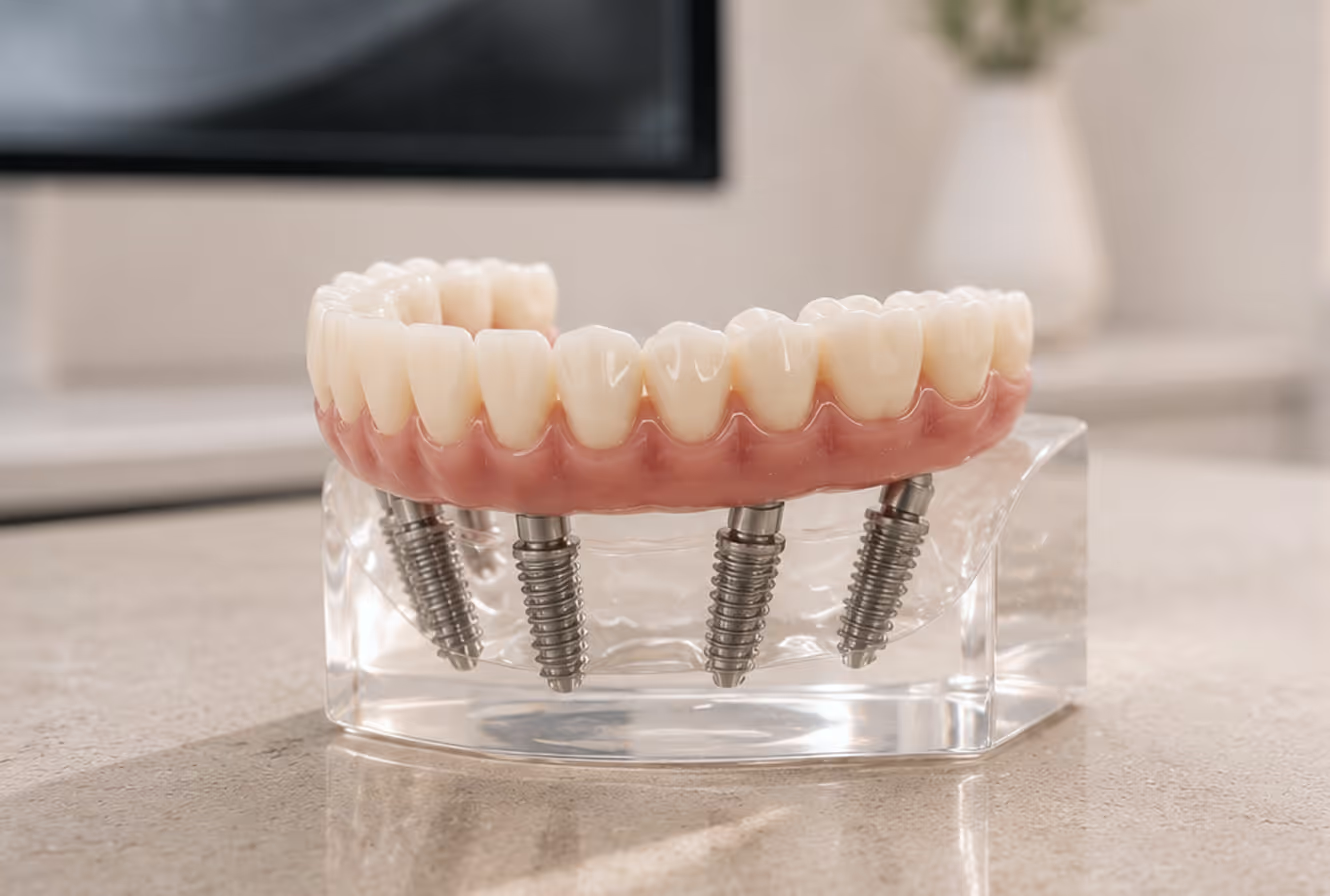
- Replacement of missing teeth (implantation or prosthetics)
- Bite correction (orthodontics or prosthetics)
- Gum contour correction
Who Is a Candidate for Anti-Age Dentistry
Patients aged 30–60 with tooth wear
Teeth have gradually shortened over years of chewing, possibly compounded by bruxism. The patient notices that their "face has somehow sagged" — and thinks about seeing an aesthetic practitioner, when the cause actually lies in the teeth.
Solution: restoring crown height with veneers, overlays, or crowns on multiple teeth, and sometimes a full restoration of the posterior teeth.
Patients with missing teeth (particularly posterior)
Missing back teeth are invisible when smiling — but devastating to the profile. Cheeks hollow out, the profile shifts. Implantation or a quality prosthesis restores support to the soft tissues.
Patients with "dated" restorations
Old metal-ceramic crowns, darkened fillings, mismatched colour — all of this gives an impression of "unhealthy" and older-looking teeth. Modern ceramics make a dramatic difference to overall appearance.
Real Possibilities and Limitations
It's important to be honest: dentistry does not replace surgical lifting or injectable aesthetics where there is significant skin laxity or deep static wrinkles unrelated to the teeth.
But in situations where the cause of the changes is precisely the loss of volume and support from the teeth — a dental solution delivers a more natural and lasting result than any external procedure.
The most effective approach for patients 35+:
- First — dental rehabilitation (restoring bite and aesthetics)
- Then — if needed — aesthetic procedures, carried out on the correct structural foundation
The Process at ALLURE DENTAL
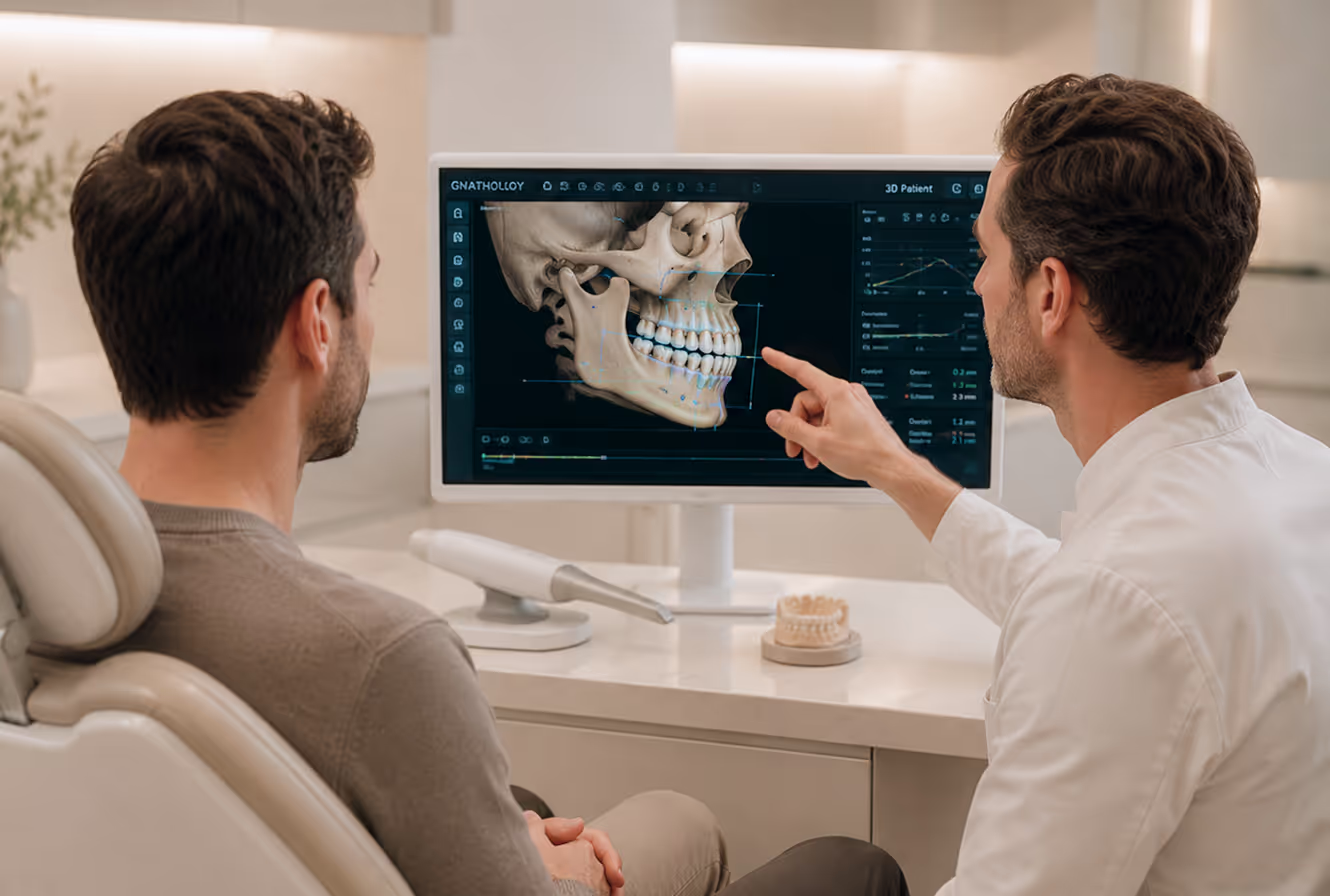
Step 1 — Functional Diagnostics
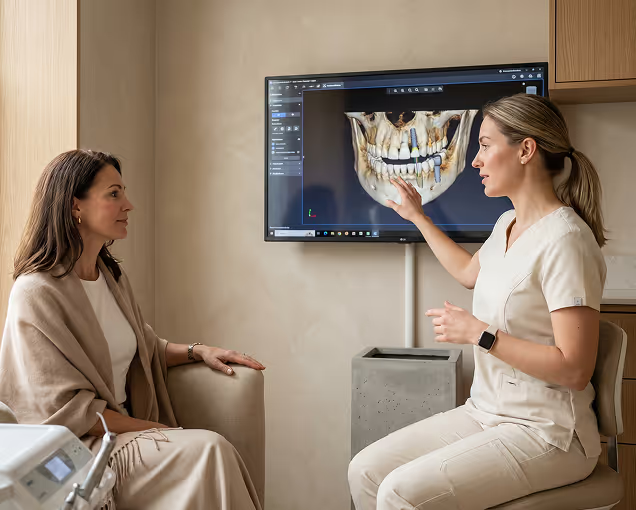
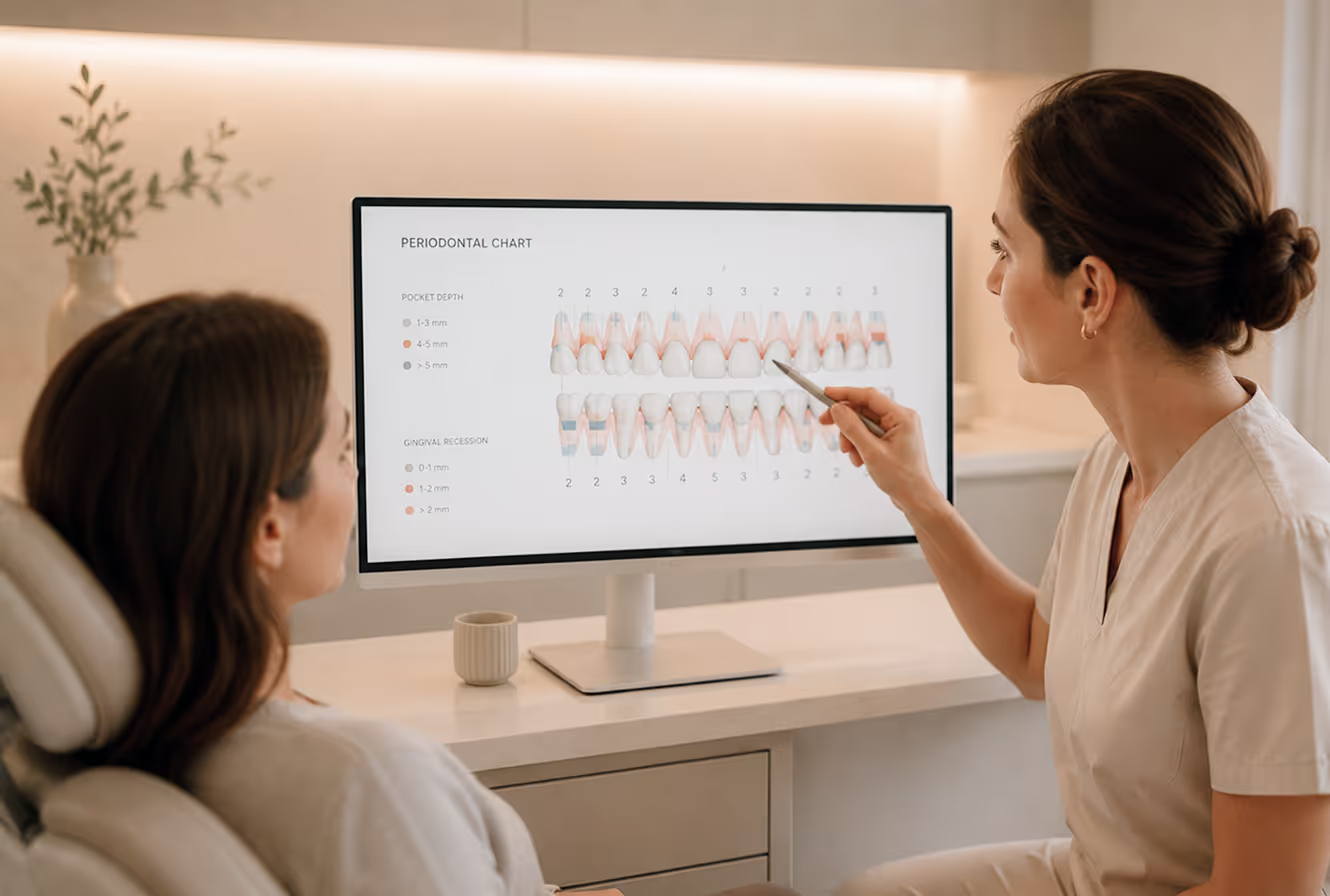
In addition to a standard examination: bite analysis, occlusal height assessment, evaluation of the TMJ (temporomandibular joint). Sometimes the cause of "facial ageing" is not just worn teeth, but joint dysfunction.
Step 2 — Facial Photo Analysis
Analysis of the proportions of the lower third of the face — the distance from nose to chin, symmetry, lip position at rest and during smiling. This establishes how much height needs to be restored.
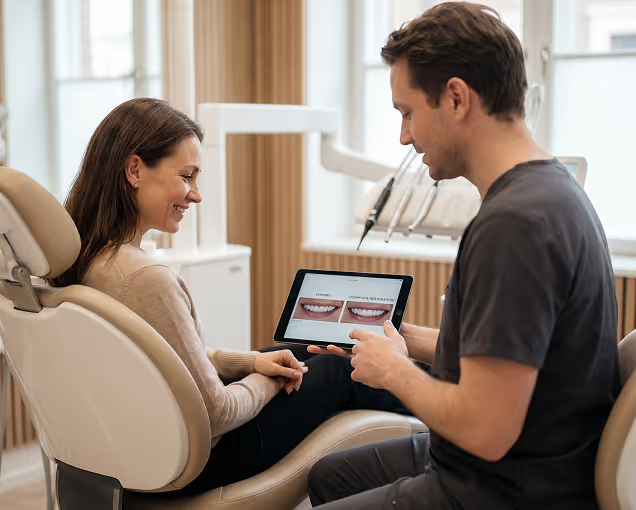
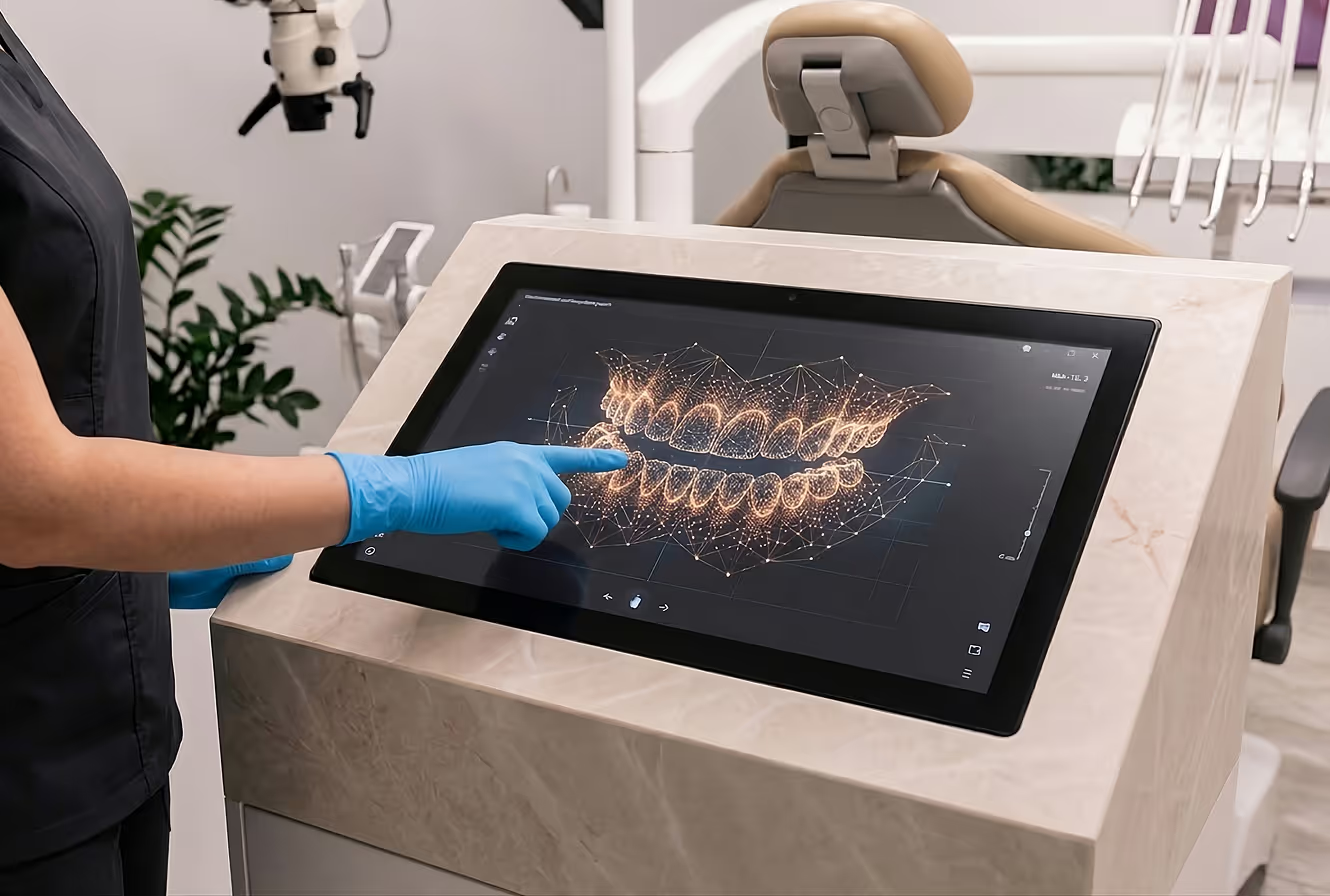
Step 3 — Digital Smile Design Accounting for Age
DSD modelling for these cases differs from a standard smile design: the doctor is not simply designing attractive teeth, but teeth that suit the specific face of the specific patient at their specific age.
Step 4 — Treatment
Cost of key procedures at ALLURE DENTAL:
- Ceramic veneer standard — 18,000 UAH per unit
- Ceramic veneer premium — 30,000 UAH per unit
- Ceramic/zirconia crown — 13,000 UAH per unit
- Anatomical zirconia crown — 15,000 UAH per unit
- Artistic restoration ASTERIA — 8,000 UAH per tooth
- Implant (for missing teeth) — from 11,000 UAH
- Functional splint (for bruxism) — 4,000–8,000 UAH
Frequently asked questions
How many years younger can dental lifting make you look?
A specific number is impossible to give — it depends on the starting point. Patients with significant tooth wear frequently report looking 5–10 years younger after bite restoration. But this is a subjective assessment, not a medical guarantee.
Do I need a consultation with an aesthetic practitioner before dental lifting?
Not necessarily — but for comprehensive rejuvenation it can be helpful. Some procedures (lip fillers, for example) are better performed after dental rehabilitation, once the underlying structure has changed.
Is anti-age dentistry suitable for younger patients?
Tooth wear can occur at a young age — especially with bruxism. If there is a functional problem, it needs to be addressed regardless of age. But the rejuvenating effect as a primary motivation is mostly relevant for patients aged 40+.
Is restoring bite height painful?
The procedures themselves (restoration, crown or veneer fitting) are performed under anaesthesia. Adapting to the new bite height takes 2–6 weeks: there may be unfamiliar sensations when chewing and mild sensitivity. Sharp pain does not occur.
Where do I start if I want comprehensive facial rejuvenation?
With a consultation with a prosthodontist that includes a facial photo analysis. The doctor will assess the real situation and explain which part of your concerns can be addressed dentally, and what falls outside the scope of dentistry.
Conclusion
Teeth are not just about function and the aesthetics of a smile. They are literally the structural framework of the lower third of the face. When that framework wears down or deteriorates — the face changes significantly. When it is restored, the result is consistently striking.
Anti-age dentistry is not magic, and it's not marketing. It is the logical outcome of how the soft tissues of the face relate to the dental and jaw system.