What is smile design and how does it work

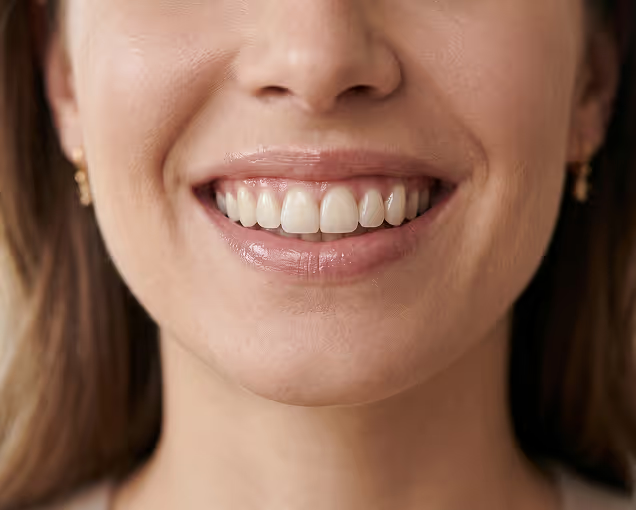
"Smile design" — a phrase everyone uses now. But it means very different things: for some it's a marketing term for any aesthetic work; for others it's a precise clinical protocol with digital modelling and a predictable outcome.
This article is about the second kind. What actually happens when a patient comes to Allure Dental for a smile design — and why the result can never be "roughly like that photo."
What Smile Design Is
Smile design is not a standalone procedure. It is a planning methodology for aesthetic treatment that takes into account the individual parameters of a patient's face, teeth, gums, and personal wishes.
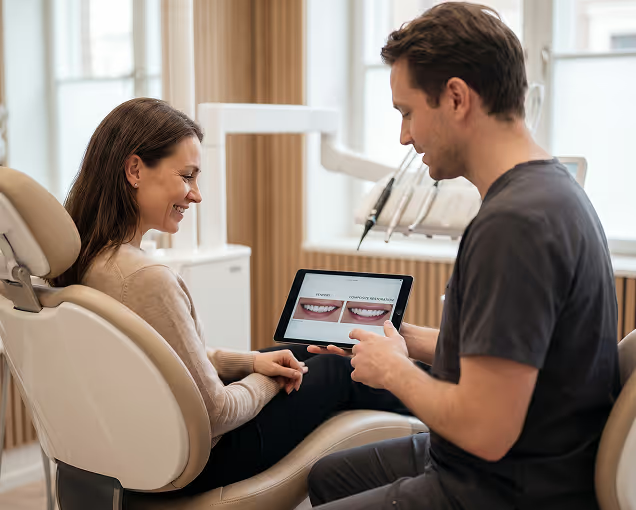
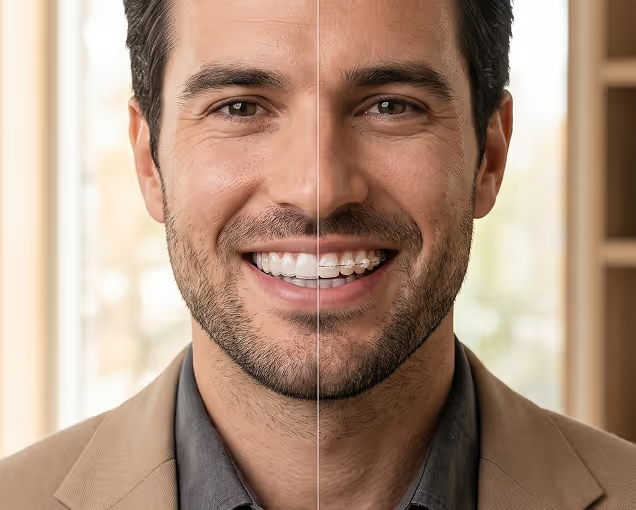
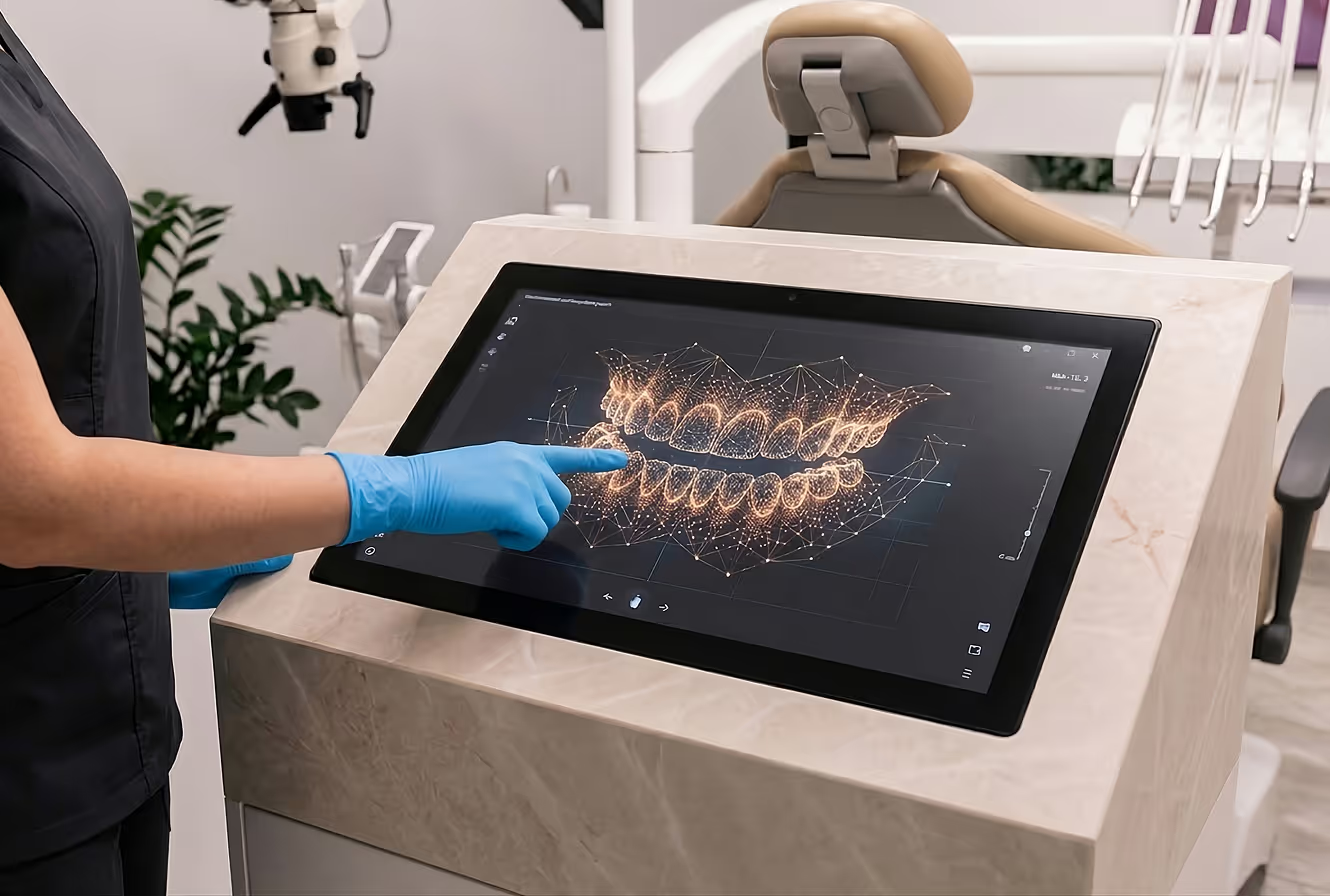
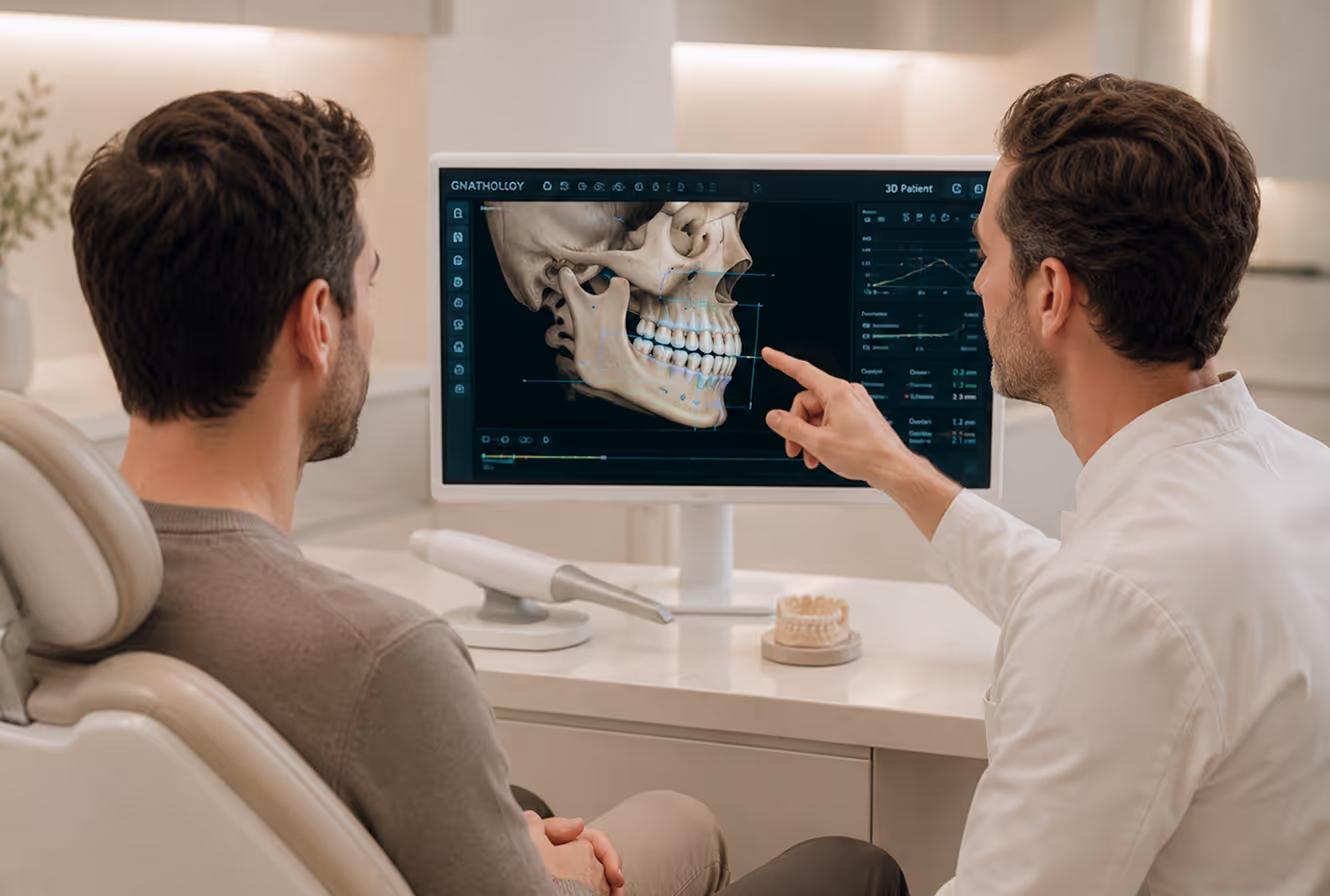
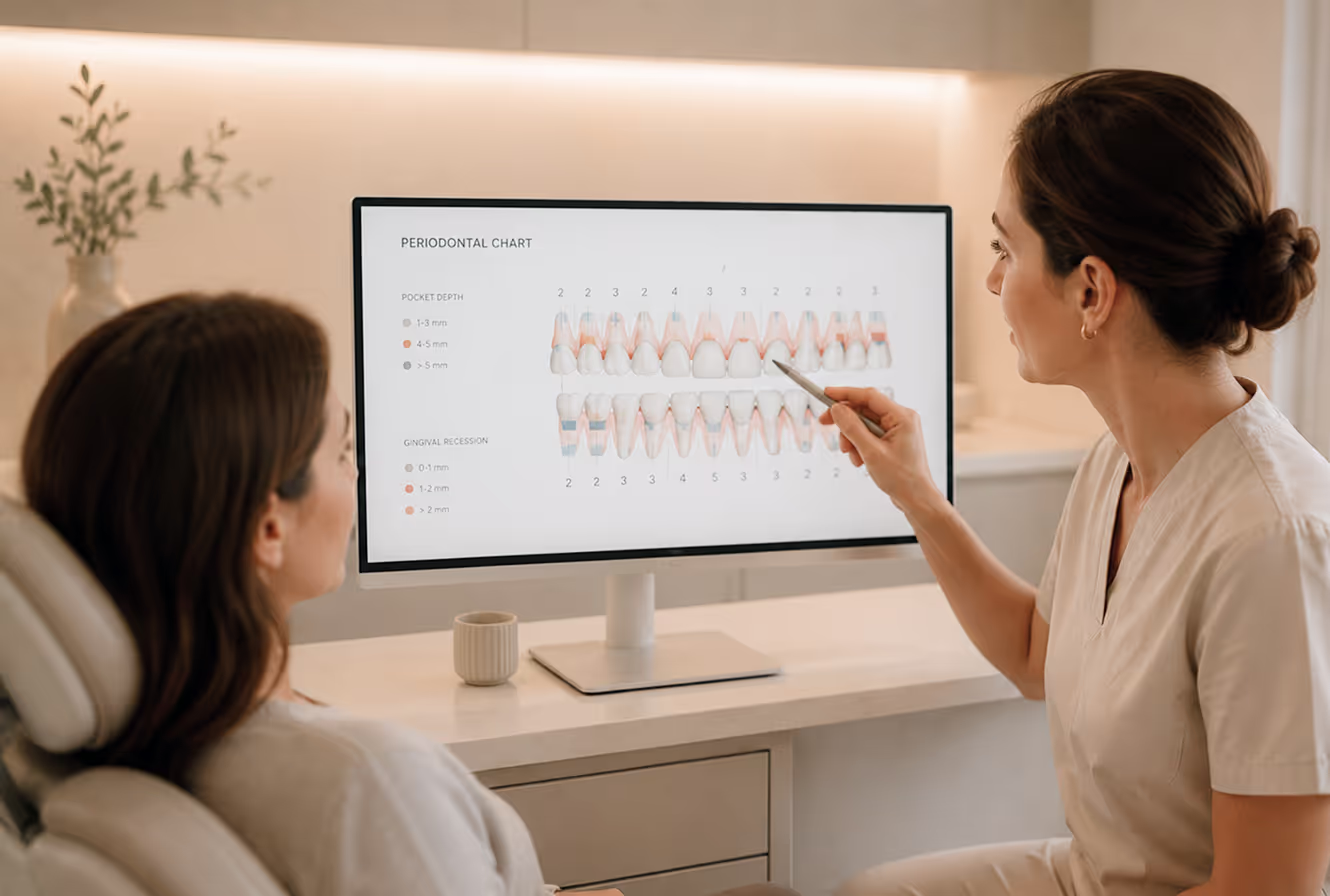
The central tool is Digital Smile Design (DSD): software that projects the future smile onto the patient's own photos and video before any treatment begins. The patient sees the expected result — and can make adjustments before the doctor touches a single tooth.
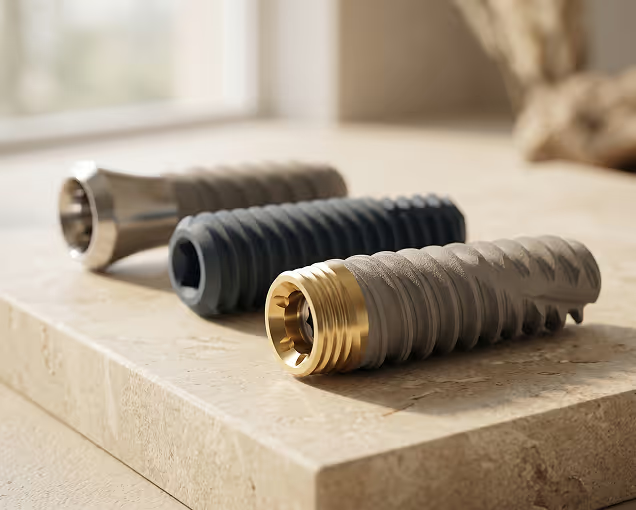
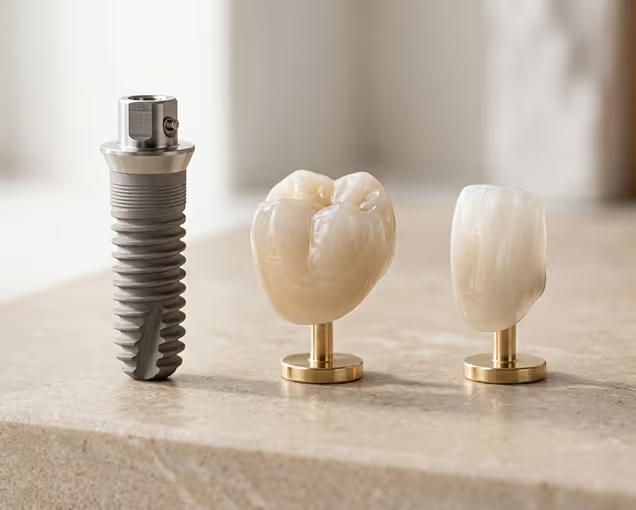
The actual treatment may include veneers, crowns, implantation, orthodontics, gum correction, or whitening — depending on what is needed in the specific case.
What Problems Smile Design Solves
Patients come for smile design with a range of concerns:
- Colour — teeth have yellowed or darkened after root canal treatment, and whitening isn't delivering the desired result
- Shape — teeth are shorter than normal due to wear, chips, or genetics
- Size and symmetry — teeth of different sizes, or a noticeable asymmetry between the left and right sides
- Gums — a gummy smile, uneven gum line, or gum recession
- Combined concerns — several factors together affecting the overall appearance of the face
How Smile Design Works at Allure Dental: Step by Step
Step 1 — Photo and Video Documentation
The first step is detailed photography: face from the front and in profile, smile with and without teeth, close-up of the dental arch, images under different lighting conditions. A video of the smile in motion is also recorded — because a real smile looks different from a static shot.
This material forms the basis for digital modelling.
Step 2 — Diagnostics
Alongside the photo documentation:
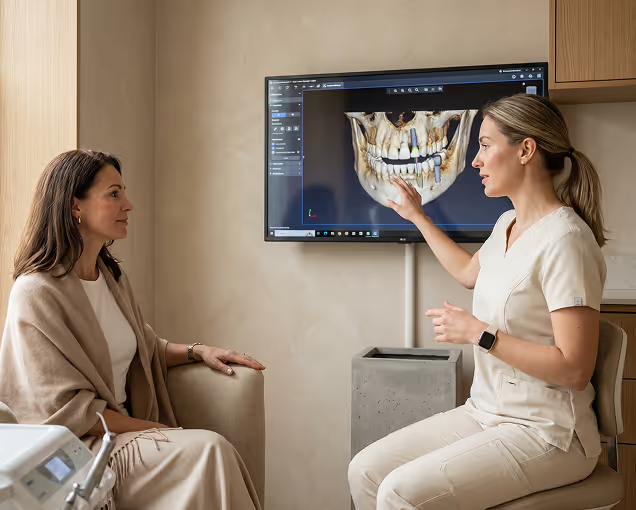
- CT or OPG — bone condition, roots, detection of hidden issues
- Digital jaw scan — more precise and comfortable than a traditional silicone impression
- Bite analysis — how the teeth meet, whether there is any TMJ dysfunction
Diagnostics costs at Allure Dental:
- CT scan of both jaws — 1,100 UAH
- Panoramic X-ray (OPG) — 500 UAH
- Digital scan of both jaws — 1,200 UAH
Step 3 — Digital Smile Design
Based on the photos and diagnostic data, the doctor designs the new smile in the DSD software. The modelling takes into account:
- Facial proportions — tooth width and height relative to the lips, nose, and eyes
- Midline — the vertical axis of the central incisors should align with the facial axis
- Smile line — the incisal edges of the upper teeth follow the curve of the lower lip
- Zenith line — the gum margin at each individual tooth
- Golden ratio — the classical proportions between adjacent tooth sizes
The patient sees the result on their own face — not on someone else's photo from the internet.
Step 4 — Wax-up and Mock-up
Wax-up — a three-dimensional model of the future smile in wax, made by a dental technician based on the DSD project.
Mock-up — a trial application of the future tooth shape directly in the patient's mouth using temporary material. No preparation, no irreversible changes — simply "trying on" the new smile and looking in the mirror.
At ALLURE DENTAL:
- Wax-up modelling per tooth — 1,000 UAH
This is one of the most important stages: the patient evaluates the result physically, not just on a screen — and can make adjustments before any irreversible procedures begin.
Step 5 — Executing the Plan
Once the design is approved, treatment begins. Depending on the plan:
Aesthetic restoration:
- Artistic restoration ASTERIA — 8,000 UAH per tooth
- Ceramic veneer standard — 18,000 UAH per unit
- Ceramic veneer premium — 30,000 UAH per unit
- Ceramic/zirconia crown — 13,000 UAH per unit
- Anatomical zirconia crown — 15,000 UAH per unit
Gum correction (if needed):
- Surgical crown lengthening — 1,200 UAH
- Gum recession treatment — from 3,700 UAH
Whitening (always the first step, if required):
- In-office whitening — 8,000 UAH
- Take-home tray whitening — 10,000 UAH
Smile Design and Age: The Anti-Ageing Effect
One of the least obvious but very real effects is facial rejuvenation. Over the years, teeth wear down and become shorter. When teeth shorten, the lower third of the face "sinks," lips become thinner, and wrinkles form around the mouth.
Restoring the correct height and shape of the teeth literally lifts the facial contour — without injections. In aesthetic dentistry, this is known as "dental lifting."
How Many Teeth Does Smile Design Cover
The most common options:
- 4 teeth — central incisors only, targeted correction
- 6 teeth — the central zone, the most common choice
- 8 teeth — the zone visible during a wide smile
- 10–12 teeth — a full "Hollywood" smile
The number depends on the natural width of the patient's smile and which teeth fall within the visible zone.
How Long the Full Process Takes
{{table1}}
In straightforward cases, from the first appointment to the final result — 3–4 weeks. In complex cases involving orthodontic preparation or implantation — from several months to a year.
| widths: 50% 50% |
| Stage | Timeline |
| Photo documentation and diagnostics | 1 appointment |
| Digital Smile Design | 7–14 days |
| Wax-up and Mock-up | 1 appointment |
| Preparatory procedures (if any) | Individual |
| Veneer or crown fabrication | 10–14 days |
| Fitting and bonding | 1–2 appointments |
Frequently asked questions
Is smile design painful?
The diagnostic stages and modelling are completely painless. If treatment involves tooth preparation for veneers or surgical gum correction, the procedures are carried out under anaesthesia. Post-procedure discomfort is minimal and short-lived.
Is smile design suitable for everyone?
For most adult patients — yes. Limitations may relate to bone condition, active periodontal disease, or an incompletely formed bite in teenagers. All of this is identified at the diagnostic stage.
Can smile design be done without tooth preparation?
It depends on the clinical situation. If the teeth are healthy and only minimal correction is needed, restoration without preparation or with ultra-thin no-prep veneers is possible. If significant changes to shape or colour are required, preparation is necessary.
How long does the result last?
Ceramic veneers and crowns last 10–20 years. Artistic restoration lasts 4–7 years with possible touch-ups. Whitening requires maintenance after 1–2 years. The exact lifespan depends on the material and quality of care.
Do I need to treat cavities first?
Yes, always. Any aesthetic work is carried out only on healthy teeth and healthy gums. Cavities, gum problems, or poorly treated root canals are addressed first — this is the foundation of a lasting result.
Conclusion
Smile design is not "celebrity veneers" in a single day. It is a carefully planned transformation that takes into account your face, your teeth, and your wishes.
At ALLURE DENTAL, the process always begins with diagnostics and DSD modelling. You see the result before treatment — and only after your approval does the work begin.