Dental implants: stages, timeline and costs — a complete guide
Losing a tooth isn't just an aesthetic problem. Without a root, neighbouring teeth begin to shift, jawbone tissue gradually atrophies, and chewing load is redistributed incorrectly. The longer you wait — the more complex and expensive the restoration becomes.
Implantation is the only method that restores a tooth completely: both the root and the crown. But it comes with many questions and fears that often delay the decision. In this guide, the doctors at ALLURE DENTAL walk through the process from A to Z: what happens at each stage, how long it takes, and what it actually costs.
What a Dental Implant Is and How It Works
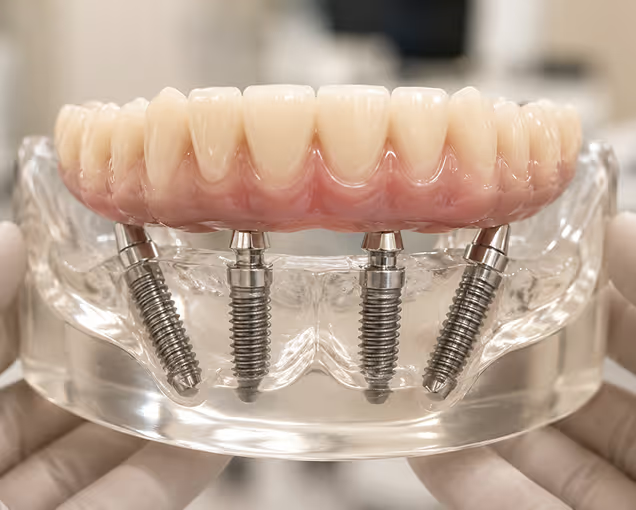
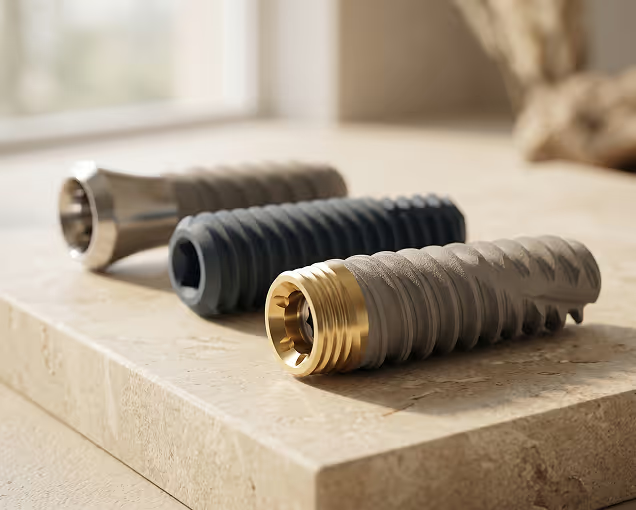
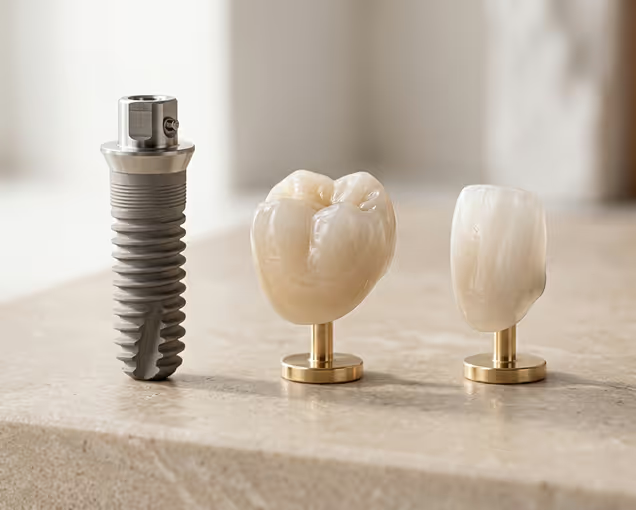
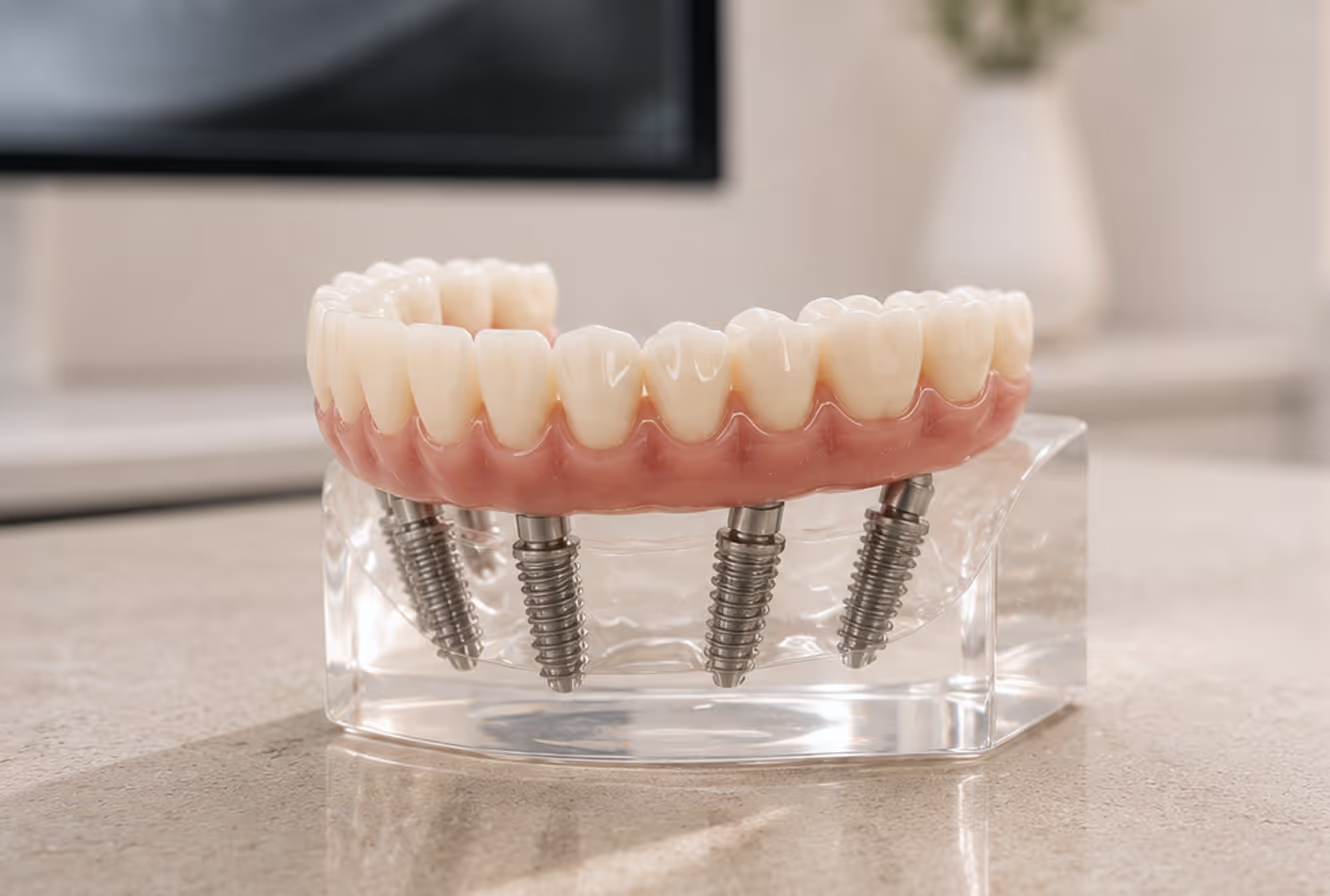
A dental implant is a titanium screw placed into the jawbone to serve as a tooth root. Once the implant integrates (a process called osseointegration), an abutment and crown are attached — the final visible part of the structure.
Titanium is a biocompatible material: the body does not reject it or treat it as a foreign object. This is why implants have such a high success rate — over 95% with correct diagnostics and placement technique.
The structure consists of three parts:
- Implant (titanium screw) — placed into the bone
- Abutment — the connecting element between the implant and the crown
- Crown — the visible part that mimics a natural tooth
Who Is a Candidate for Implantation
Implantation is suitable for most adult patients with one, several, or all teeth missing. Absolute contraindications are rare: active-phase oncological treatment, decompensated diabetes, severe blood clotting disorders, pregnancy.
Relative contraindications (addressable with preparation):
- Insufficient bone volume — resolved with bone grafting or a sinus lift
- Gum disease — periodontal treatment is carried out first
- Smoking — not a contraindication, but reduces the success rate; patients are informed in advance
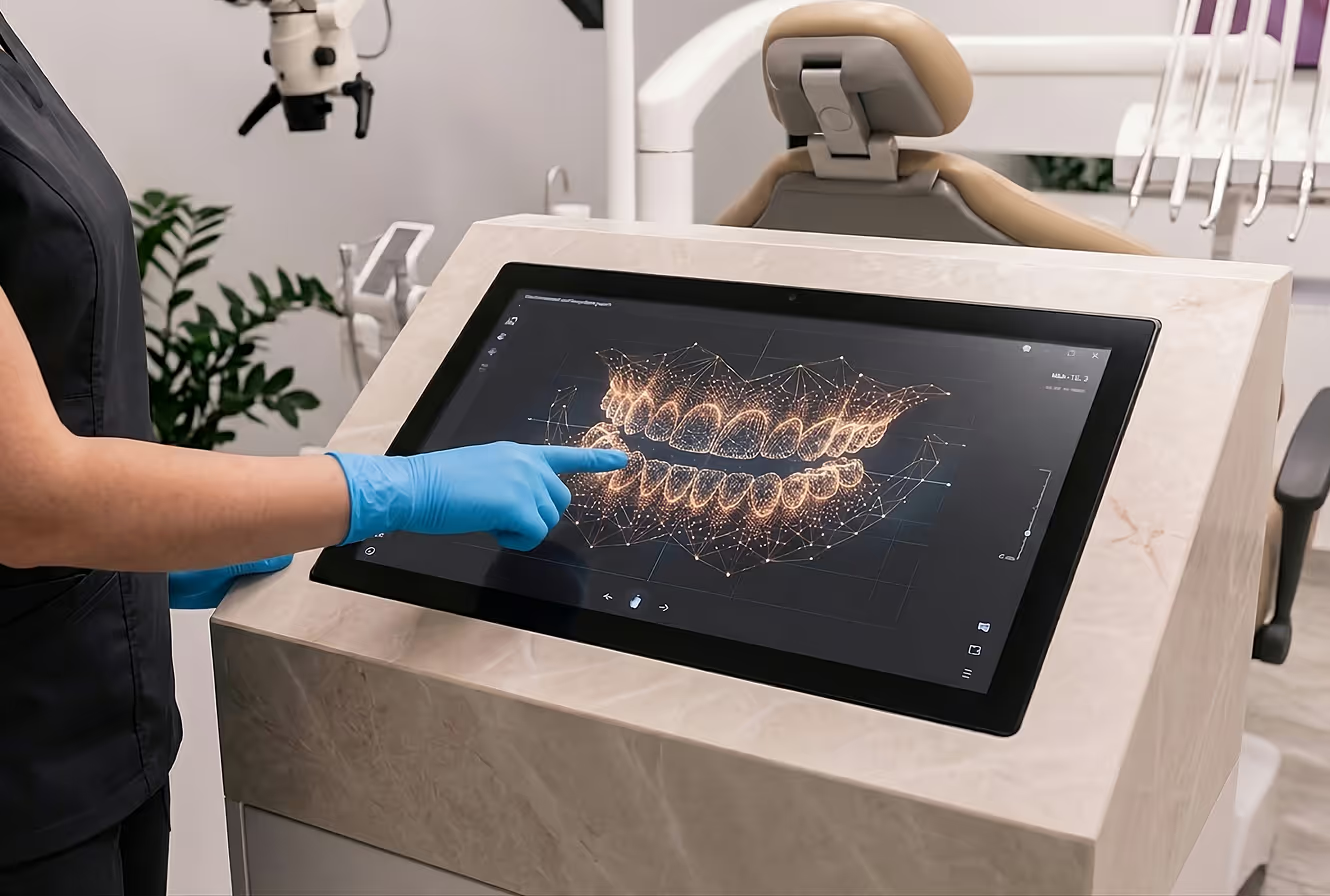
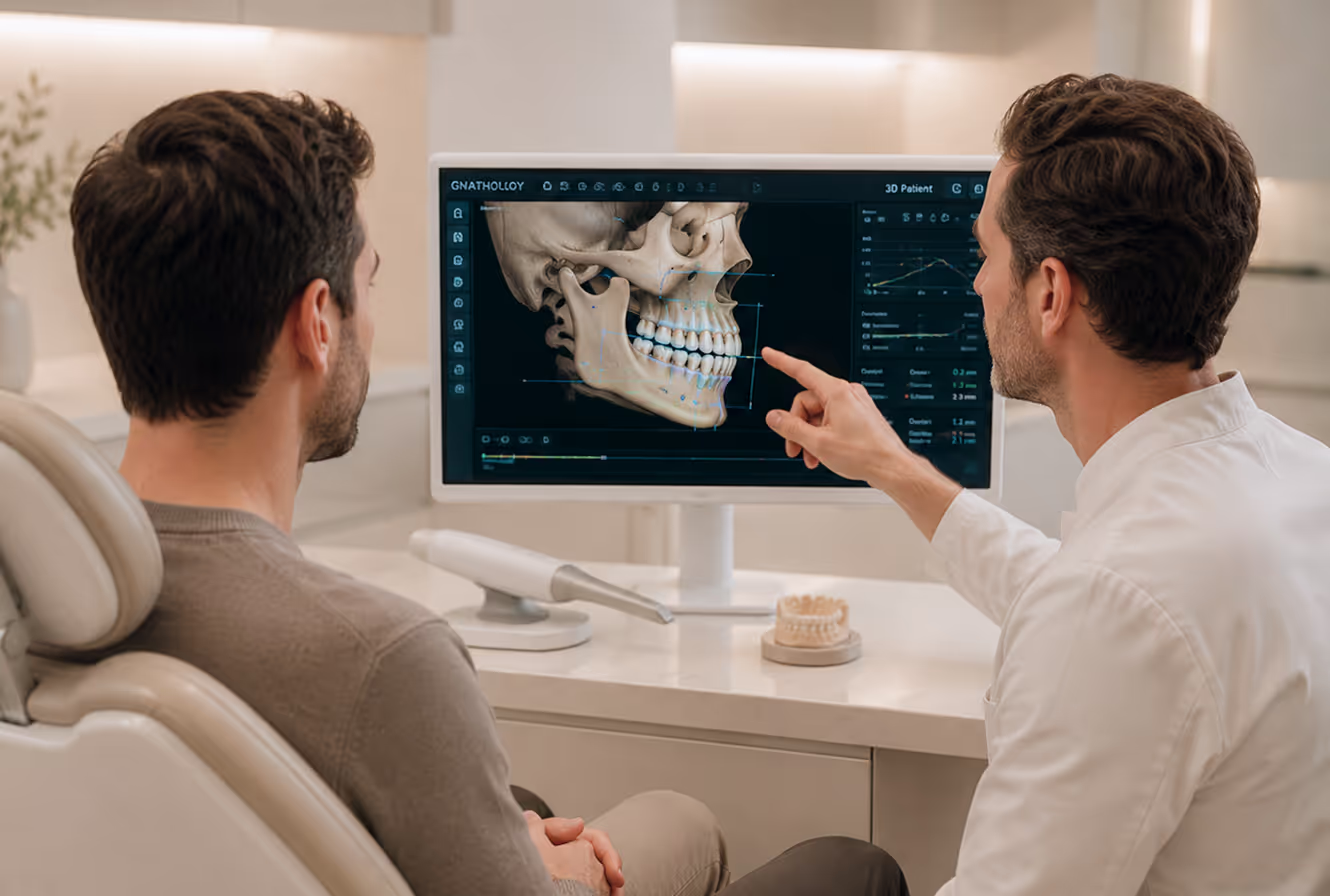
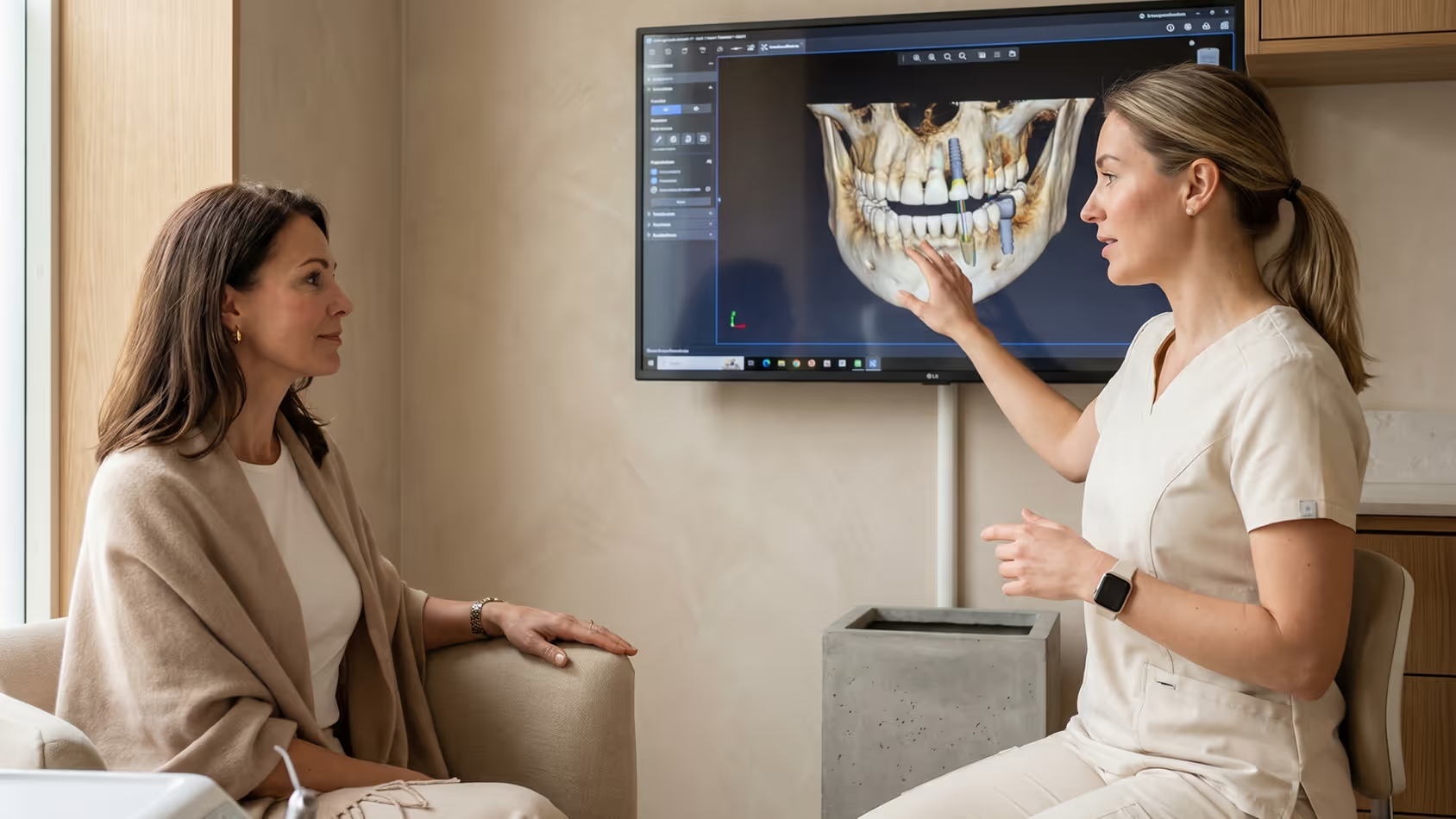
The definitive answer comes after a CT scan. A three-dimensional image of the jaw shows the real volume and density of bone and allows the procedure to be planned with millimetre precision.
Dental Implant Stages
Stage 1 — Diagnostics and Planning
The first step is a CT scan of the jaw. The image provides a complete picture: where the nerves and sinuses are located, how much bone is available, and whether preliminary preparation is needed.
Based on the CT, the doctor draws up a treatment plan: which implant suits the size and shape of the site, whether bone grafting is required, and how many stages the full process will involve.
At ALLURE DENTAL, a surgical guide is also produced for complex cases — a 3D-printed template that allows the implant to be placed with jeweller-like precision and minimal tissue trauma.
Diagnostics costs at ALLURE DENTAL:
- CT scan of both jaws — 1,100 UAH
- CT scan of one jaw — 900 UAH
- Surgical guide (1 implant) — 4,000 UAH
- Surgical guide (4+ implants) — 13,000 UAH
Stage 2 — Preparation (if required)
Not all patients need preparation — but if a tooth has been missing for some time, bone tissue may have partially atrophied. In that case, the following procedures are carried out before implantation:
Bone grafting (augmentation) — restoring bone volume using bone material. A waiting period of 4–6 months is required before the implant can be placed.
Sinus lift — raising the floor of the maxillary sinus to create space for an implant in the posterior upper jaw.
Preparatory procedure costs:
- Augmentation (bone grafting) — 11,000 UAH
- Closed sinus lift — 11,000 UAH
- Open sinus lift — 19,500 UAH
Stage 3 — Implant Placement
The procedure is performed under local anaesthesia and takes 30 to 60 minutes per implant. The patient feels no pain during the process — only pressure and vibration.
After placement, the doctor sutures the gums. In most cases, a standard course of antibiotics is prescribed along with dietary recommendations for the first few days.
Implant placement costs at ALLURE DENTAL:
- Korean-brand implant — 11,000 UAH
- MegaGen implant — 16,000 UAH
- Straumann implant (Switzerland) — 25,000 UAH
- Straumann zirconia implant — 30,000 UAH
The price difference between brands reflects differences in surface precision, clinical research, and manufacturer warranty. Straumann is one of the most extensively studied implant brands in the world, with a 70-year clinical history. For most standard cases, Korean systems also deliver excellent results.
Stage 4 — Osseointegration (Healing)
After placement, osseointegration begins — the implant fuses with the bone tissue. This process cannot be accelerated: it takes 3–6 months depending on bone quality, the implant brand, and the patient's overall health.
During this time, the patient wears a temporary crown in the visible zone — for both functional and aesthetic purposes.
Signs of normal healing: mild swelling and discomfort for the first 3–5 days, followed by a complete absence of pain.
Stage 5 — Abutment and Crown Placement
Once successful osseointegration is confirmed (clinically and radiographically), the abutment is placed and a permanent crown is fabricated.
Crown costs at ALLURE DENTAL:
- Ceramic/zirconia crown on implant — 13,000 UAH
- Zirconia crown on Straumann implant — 16,000 UAH
- Metal-ceramic crown on Straumann implant — 14,000 UAH
What a Turnkey Implant Costs in Kyiv
The final cost includes diagnostics, implant placement, abutment, and crown. Approximate packages at ALLURE DENTAL:
{{table1}}
CT scan and, where necessary, a healing cap, bone grafting, or sinus lift are added to the total. The exact figure is calculated after diagnostics.
Immediate (Same-Day) Implantation — What It Is
Immediate implantation means placing the implant directly after tooth extraction, without waiting for the socket to heal. It is possible when:
- There is no inflammation in the extraction zone
- Sufficient bone volume is present
- The implant achieves primary stability after placement
Advantages: reduces overall treatment time by 2–4 months, fewer surgical procedures.
Not suitable for every case — the decision is made by the doctor after examination and CT scan.
Implantation When Many Teeth Are Missing: All-on-4 and All-on-6
When many teeth are absent or an entire jaw needs to be restored, placing individual implants for each tooth is not always practical. For such cases, All-on-4 and All-on-6 protocols exist: 4 or 6 implants per jaw supporting a fixed prosthesis.
Available at ALLURE DENTAL:
- Fixed implant-supported prosthesis (composite/acrylic) — 50,000 UAH
- Fixed implant-supported prosthesis (ceramic/zirconia) — 75,000 UAH
- Zirconia prosthesis on Straumann Multi-unit — 85,000 UAH
Post-Implantation Care
First 2 weeks:
- Soft diet, avoid loading the surgical zone
- Thorough hygiene — irrigator, soft toothbrush
- No smoking for at least 2 weeks after surgery
- Avoid saunas and swimming pools
Long-term care:
- Professional cleaning every 6 months — cleaning around an implant requires specialist instruments
- Annual X-ray check — monitoring bone condition around the implant
- For bruxism (teeth grinding) — an occlusal splint is mandatory
| widths: 15% 24% 30% 30% |
| Option | Implant | Crown + healing cap | Total with guide |
| Entry | Korean, 11,000 UAH | Ceramic, 15,000 UAH | from 30,000 UAH |
| Mid-range | MegaGen, 16,000 UAH | Ceramic, 15,000 UAH | from 38,000 UAH |
| Premium | Straumann, 25,000 UAH | Zirconia Straumann, 18,500 UAH | from 48,000 UAH |
Frequently asked questions
Is implantation painful?
The procedure is performed under local anaesthesia — the patient feels pressure but no pain. For 2–3 days after the anaesthesia wears off, moderate discomfort and swelling are possible, managed with prescribed pain relief. Most patients describe the experience as less painful than they expected.
How long does the full process take, from implant to crown?
In a standard case without bone grafting — 4 to 6 months: surgery, osseointegration, and crown placement. If bone grafting is required, the timeline extends to 9–12 months. Immediate implantation can shorten this under favourable conditions.
How long does a dental implant last?
A titanium implant, with proper care, lasts a lifetime. The crown lasts 15–20 years, after which it may need replacement — without repeat surgery, just swapping out the upper portion of the structure.
Can implantation be done with diabetes?
Compensated diabetes (HbA1c up to 7–8%) is not a contraindication. Decompensated diabetes is an absolute contraindication. The decision is made jointly with an endocrinologist following blood tests.
Can I have an MRI with an implant?
Yes. Titanium implants are non-magnetic and do not interfere with MRI. Before the procedure, simply inform the radiologist that an implant is present.
Conclusion
Implantation is not the fastest or cheapest way to restore a tooth. But it is the only method that fully replicates the natural structure — both root and crown. With proper planning and care, the result lasts for decades.
At ALLURE DENTAL, every case begins with a CT scan and a detailed treatment plan — you know the exact cost and timeline before any procedure begins.