Joint pain, bruxism & worn teeth: gnathology, orthodontics & total restoration
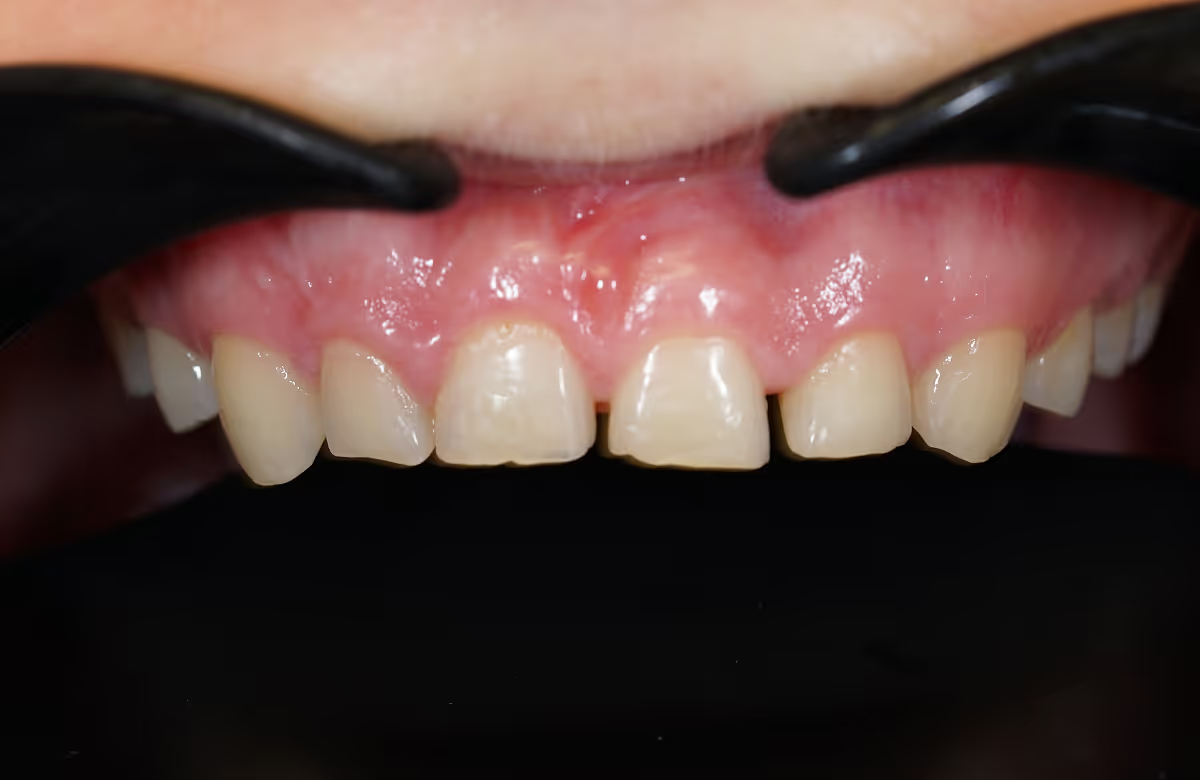
The patient came to Allure Dental with complaints of pain in the temporomandibular joint (TMJ) area. During a detailed consultation, the cause was identified: severe nocturnal tooth clenching — bruxism — which had led to significant wear of the entire dentition.
This is an important clinical connection that is often underestimated: TMJ pain does not always mean a problem with the joint itself. It is frequently the consequence of improper loading caused by a worn bite. Treating the joint without addressing the cause is temporary pain relief — not a solution.
Treatment
Stage 1 — Gnathological diagnostics and muscle-relaxing splint
First — reduce the excessive load on the joint and muscles. The muscle-relaxing splint unloads the TMJ, reduces masticatory muscle tension, and allows the joint to "rest." In parallel — gnathological bite analysis to determine the optimal jaw position.
Stage 2 — Orthodontic treatment
After the condition was stabilized — orthodontics to establish correct tooth positioning and a balanced bite. Without this, the total restoration would have had no functional foundation.
Stage 3 — Total restoration with ceramic restorations
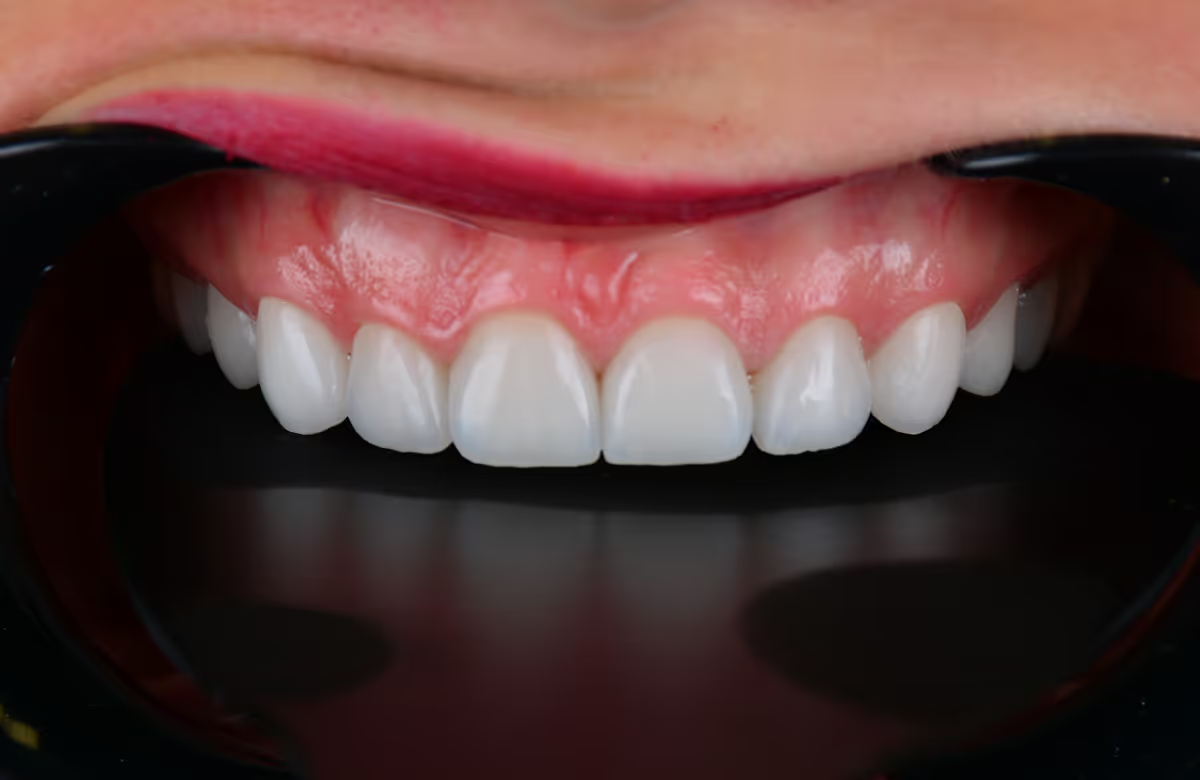
The final stage — complete restoration of the worn dentition with ceramics. The correct bite height, anatomical tooth shape, and smile aesthetics were all restored.
Result
The pain in the joint area disappeared completely. Tooth wear was eliminated, correct function and bite harmony were restored. The patient gained not only comfort and freedom from pain — but also an aesthetically appealing smile.
This case illustrates well why comprehensive diagnostics matters more than a quick fix. If only the symptom had been treated — the joint pain — the cause would have remained, and wear would have continued. The right sequence: diagnose the cause → relieve the load → stabilize → restore.